
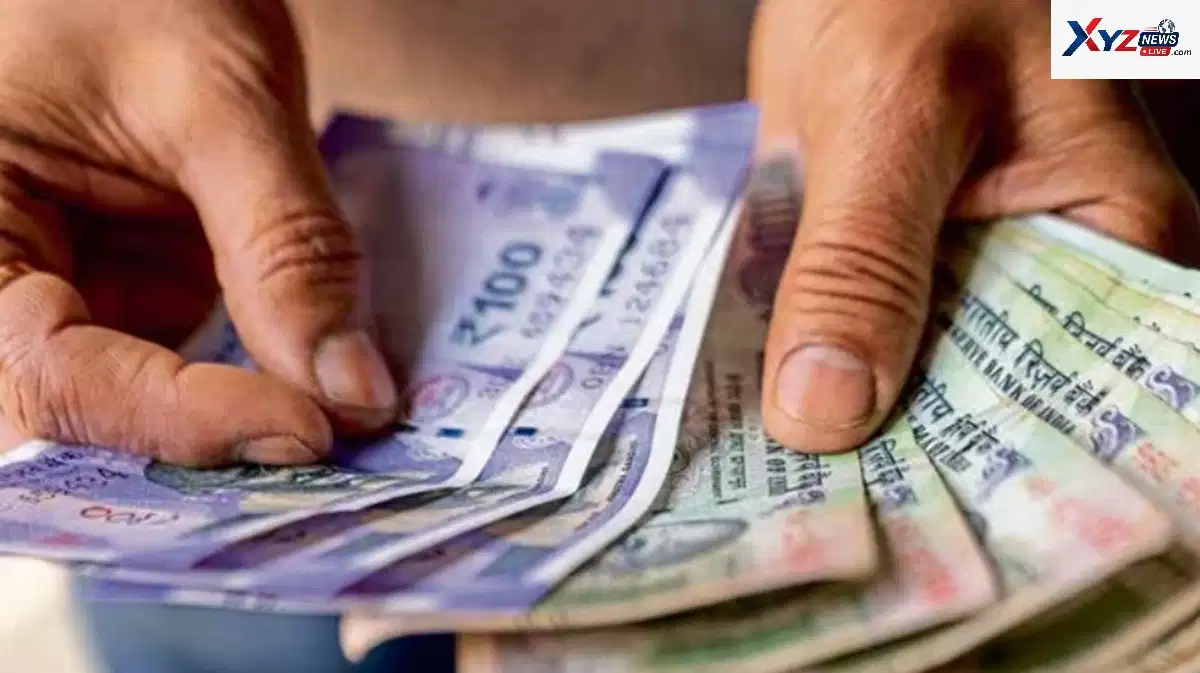
8th Pay Commission: Fitment Factor, DA Merger and Salary Hike
The 8th Pay Commission has become a major focus for central government employees and pensioners across India, with discussions continuing around salary revision, pension, allowances, Dearness Allowance (DA) and the fitment factor. The Commission has been constituted by the Government of India and is currently consulting employees, unions, organisations and other stakeholders before preparing its recommendations.
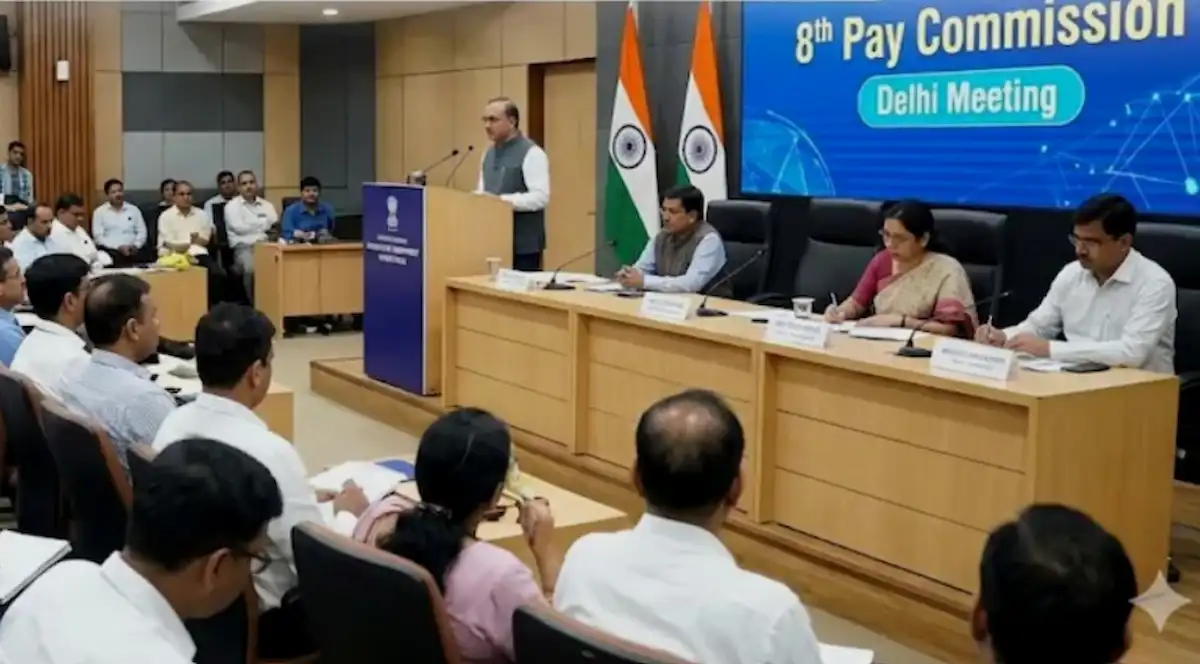
Around 50 lakh central government employees and nearly 65 lakh pensioners are expected to be affected by the recommendations of the 8th Pay Commission, making it one of the most closely watched pay-revision exercises in the country.
However, employees should note that there is currently no officially approved fitment factor or final percentage salary hike. Figures circulating online, including estimates of 20%, 30%, 50% or even 80% increases, are based on calculations, employee demands and stakeholder expectations rather than a final government decision.
Key Highlights
- The 8th Pay Commission was constituted by the Government of India on November 3, 2025.
- Around 50 lakh central government employees and nearly 65 lakh pensioners are expected to be impacted.
- The official questionnaire response window closed on March 31, 2026.
- The memorandum submission deadline was extended to June 15, 2026.
- Fitment factor and DA treatment will be crucial in determining the eventual salary revision.
- Claims of 20%, 30%, 50% or 80% salary hikes are estimates, not officially approved figures.
8th Pay Commission: What Is the Current Status?
The 8th Pay Commission was formally constituted through a government notification dated November 3, 2025. The Commission is chaired by former Supreme Court Justice Ranjana Prakash Desai, with Professor Pulak Ghosh as a part-time member and Pankaj Jain as Member-Secretary.
The Commission has been gathering views from ministries, government employees, pensioners, employee associations, unions, researchers, academicians and other stakeholders.
The official website confirms that the questionnaire exercise was conducted through MyGov, with responses invited from February 5 to March 31, 2026. The Commission subsequently extended the deadline for memorandum submissions to June 15, 2026.
The Commission has also been holding interactions and meetings with employee representatives and other stakeholders in different parts of the country.
How Much Salary Hike Can Be Expected?
The biggest question surrounding the 8th Pay Commission is how much salaries will actually increase.
At present, there is no confirmed percentage. The final increase will depend on several factors, including the revised minimum pay, fitment factor, treatment of DA, allowances, pension revision and the overall recommendations of the Commission.
Some estimates suggest a salary increase in the range of 20% to 30% under a conservative scenario, while more optimistic projections put the increase substantially higher. However, these numbers should not be treated as official.
Employee organisations have also submitted their own demands. For example, a recent recommendation from Bharat Pension Samaj reportedly sought a minimum salary of ₹69,000 and a minimum pension of ₹45,000. Such demands illustrate the wide range of expectations being placed before the Commission.
Why Is the Fitment Factor So Important?
The fitment factor is one of the most important elements in the salary calculation under a Pay Commission.
In simple terms, the fitment factor is a multiplier used to determine revised basic pay from the existing basic pay. Therefore, a higher fitment factor can result in a substantially higher revised basic salary.
However, employees should not assume that multiplying their current basic salary by a proposed factor automatically represents their final take-home salary. Other components, including DA, HRA, transport allowance, deductions and taxation, also influence the final amount credited to an employee’s account.
This is why the final 8th Pay Commission salary cannot be accurately calculated until the government approves the Commission’s recommendations and the revised pay structure.
DA Merger: Why Employees Are Watching It Closely
Another major issue is the possible DA merger with basic pay.
Dearness Allowance is revised periodically to compensate government employees for changes in inflation and the cost of living. Employee organisations have been demanding clarity on whether accumulated DA should be merged with basic pay while implementing the new pay structure.
A DA merger could have a wider impact because several salary and retirement-related calculations are linked to basic pay.
However, there is currently no final government decision confirming a DA merger under the 8th Pay Commission. Therefore, claims that DA will definitely be merged should be treated cautiously until an official announcement is made.
Impact on Pensioners
The 8th Pay Commission is also important for pensioners because its recommendations are expected to cover pension-related matters.
Nearly 65 lakh retired central government pensioners are among the beneficiaries expected to be affected by the Commission’s recommendations.
Any revision in pension will depend on the final recommendations regarding pension fixation, fitment factor, Dearness Relief and other applicable components.
This is particularly important for pensioners because changes in basic pension can influence the overall amount of pension and related benefits.
When Will the Final Salary Increase Be Known?
The exact salary hike will become clear only after the 8th Pay Commission completes its consultation process, prepares its recommendations and submits its report.
The Commission was constituted with a mandate to submit its report within 18 months of its constitution. The final recommendations will then require consideration and approval by the government. Therefore, employees should not treat social-media estimates or unofficial salary calculators as confirmed figures.
20%, 30%, 50% or 80% Hike — What Should Employees Believe?
Employees should be particularly careful about viral claims regarding an “80% salary hike” or a specific fitment factor.
A higher fitment factor can increase basic pay significantly on paper, but the actual increase in take-home salary will depend on how the entire pay structure is redesigned.
For example, an increase in basic pay does not mean that the employee’s total salary will automatically rise by the same percentage. DA, HRA, allowances, deductions and taxation can all affect the final figure.
Therefore, the currently circulating salary-hike percentages should be viewed as scenarios rather than confirmed outcomes.
What Happens Next?
The next major developments will come from the Commission’s ongoing consultations, stakeholder meetings and eventual recommendations. The official 8th CPC website continues to publish notices regarding stakeholder interactions and visits, indicating that the consultation process remains active.
For employees and pensioners, the key issues to watch will be the fitment factor, minimum basic pay, DA treatment, pension revision, allowances and implementation timeline.
Conclusion
The 8th Pay Commission could bring significant changes to the salary and pension structure of central government employees and pensioners. However, the final salary hike cannot yet be confirmed.
The fitment factor and DA merger are likely to play an important role in determining the eventual increase, but no final figures have been approved so far. Employees should therefore distinguish between official announcements, stakeholder demands and speculative estimates.
FAQs-
Q1. What is the 8th Pay Commission?
The 8th Pay Commission is a government-appointed commission tasked with reviewing the pay, allowances and pension-related matters of central government employees and pensioners.
Q2. How much salary hike is expected under the 8th Pay Commission?
There is currently no officially confirmed percentage. Estimates ranging from 20% to 50% or higher are speculative and depend on the final fitment factor and pay structure.
Q3. What is the fitment factor in the 8th Pay Commission?
The fitment factor is a multiplier used to determine revised basic pay. The final factor for the 8th Pay Commission has not yet been officially announced.
Q4. Will DA be merged with basic salary?
A DA merger is among the issues being discussed and demanded by employee groups, but there is currently no final official confirmation that DA will be merged with basic pay.
Q5. How many people are expected to benefit from the 8th Pay Commission?
The recommendations are expected to affect around 50 lakh central government employees and nearly 65 lakh pensioners.
Disclaimer
This article is based on official 8th Central Pay Commission information and current stakeholder/media reports. Salary-hike percentages, fitment-factor figures and DA-merger scenarios mentioned in discussions are estimates or demands and are not final government decisions. The final salary, pension and allowance changes will be known only after the Commission submits its recommendations and the government takes a decision.









All news published on XYZ News Live is created, edited, and reviewed by our editorial team. Our goal is to provide readers with accurate, simple, and reliable information.
Website: https://xyznewslive.com