
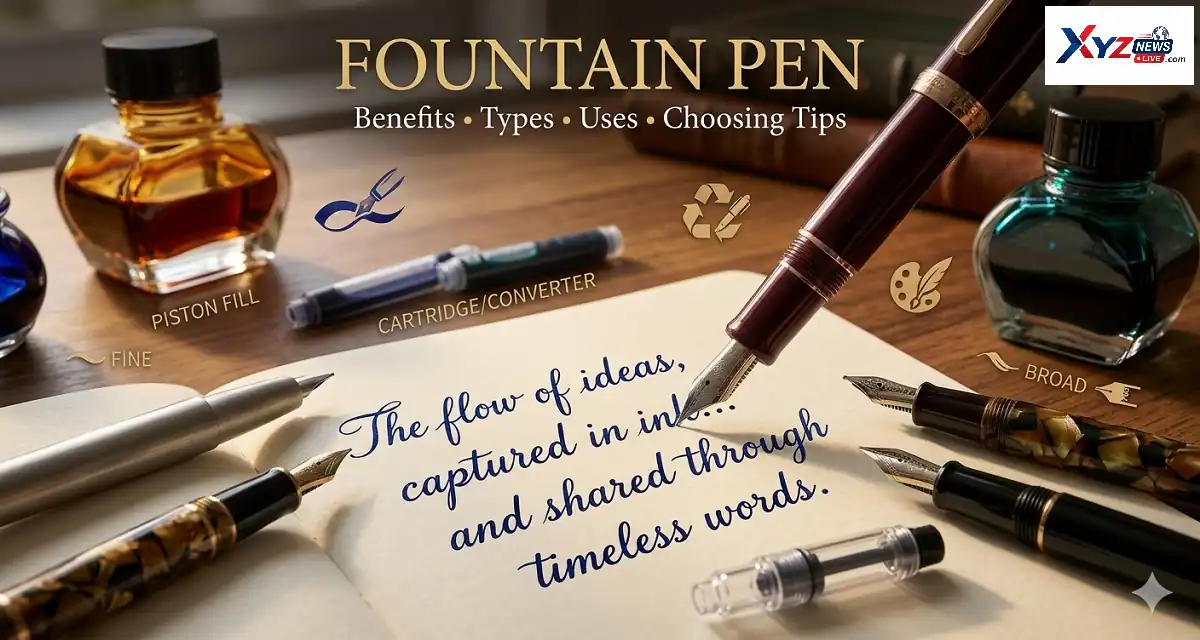
Fountain Pen: Benefits, Types, Uses and Tips for Choosing the Perfect Pen
A fountain pen is more than just a writing instrument. It combines craftsmanship, comfort, and personal style to create a smooth and enjoyable writing experience. Although digital devices have changed the way people communicate, fountain pens continue to attract students, professionals, artists, collectors, and handwriting enthusiasts.
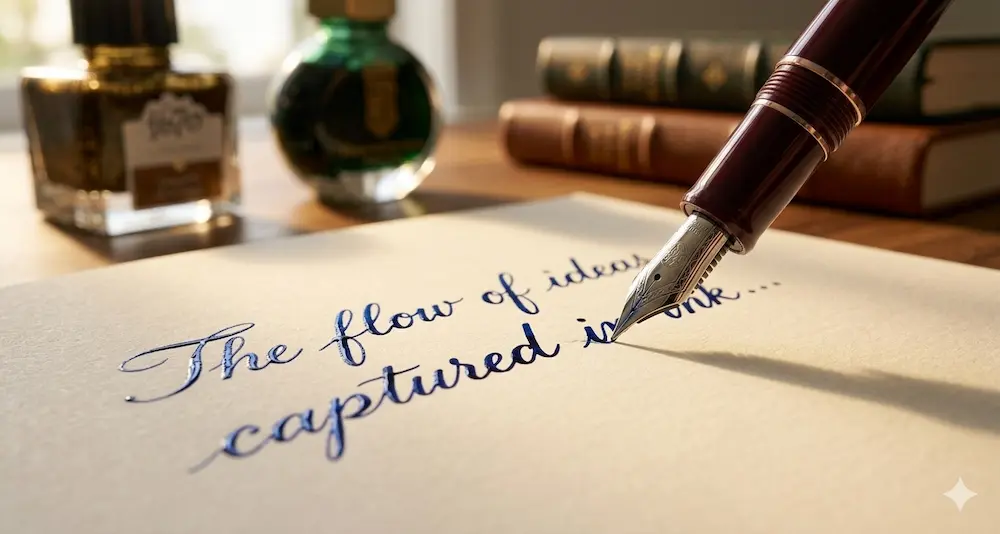
Unlike ordinary ballpoint pens, a fountain pen uses liquid ink that flows through a nib. This design allows users to write with less pressure while creating a distinctive and elegant writing style. Whether you are buying your first pen or looking to upgrade your collection, understanding its benefits, types, and uses can help you make a better choice.
What Is a Fountain Pen?
A fountain pen is a reusable writing instrument that typically consists of a barrel, ink reservoir, feed, and nib. The ink travels from the reservoir through the feed and reaches the nib, where it is transferred onto paper.
Modern fountain pens are available in different sizes, materials, nib styles, and price ranges. Some are designed for everyday writing, while others are created primarily for collectors and enthusiasts.
Benefits of Using a Fountain Pen
1. Smooth Writing Experience
One of the biggest advantages of a fountain pen is its smooth ink flow. A well-maintained pen can glide across paper with minimal pressure, making long writing sessions more comfortable.
2. Reduced Writing Pressure
Because fountain pens use liquid ink, users generally do not need to press hard against the paper. This can make handwriting feel more natural and comfortable, particularly when taking lengthy notes.
3. Reusable and Long-Lasting
Many fountain pens are designed to last for years or even decades with proper care. Instead of throwing away the entire pen when the ink runs out, users can refill it with bottled ink or replace an ink cartridge.
4. Personal Writing Style
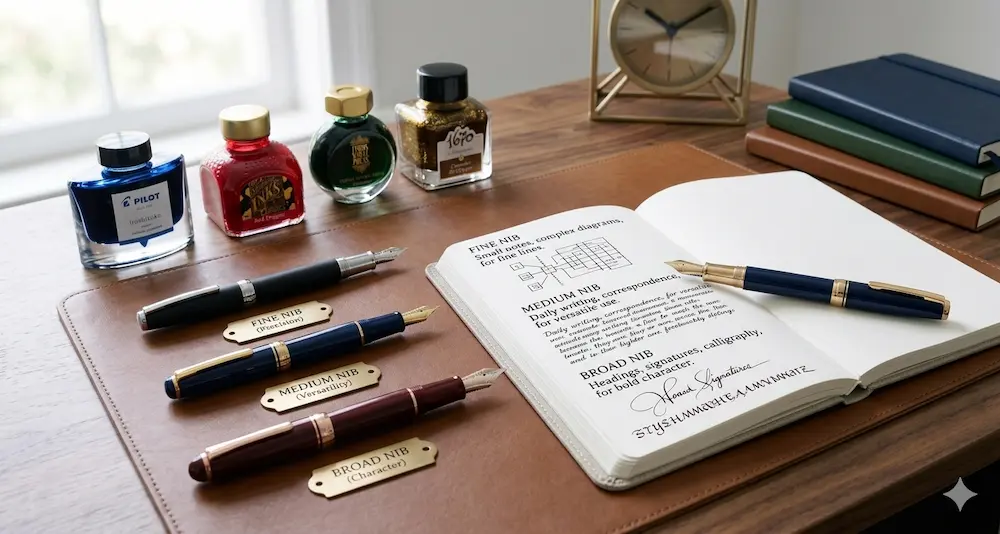
Fountain pen nibs come in different widths, including fine, medium, broad, and specialty options. The choice of nib can influence the appearance of handwriting and allow users to develop a distinctive writing style.
5. Environmentally Conscious Choice
A reusable fountain pen can reduce the need for disposable writing instruments. While environmental impact depends on factors such as materials, manufacturing, ink packaging, and how long the pen is used, keeping one pen for years can be a more sustainable approach than frequently replacing disposable pens.
Types of Fountain Pens
Cartridge Fountain Pens
Cartridge pens use pre-filled ink cartridges that can be replaced when empty. They are convenient and particularly suitable for beginners because there is little preparation or cleanup involved.
Converter Fountain Pens
A converter allows a pen to draw ink directly from a bottle. This gives users access to a much wider variety of ink colors and formulas while retaining the convenience of a reusable filling system.
Piston-Filling Fountain Pens
Piston-fillers have a built-in mechanism that draws bottled ink into the pen. They usually hold a larger amount of ink than standard cartridges, making them useful for people who write frequently.
Eyedropper Fountain Pens
With an eyedropper filling system, the pen barrel itself is used as an ink reservoir. These pens can provide substantial ink capacity, although they require careful handling to prevent leaks.
Common Uses of Fountain Pens
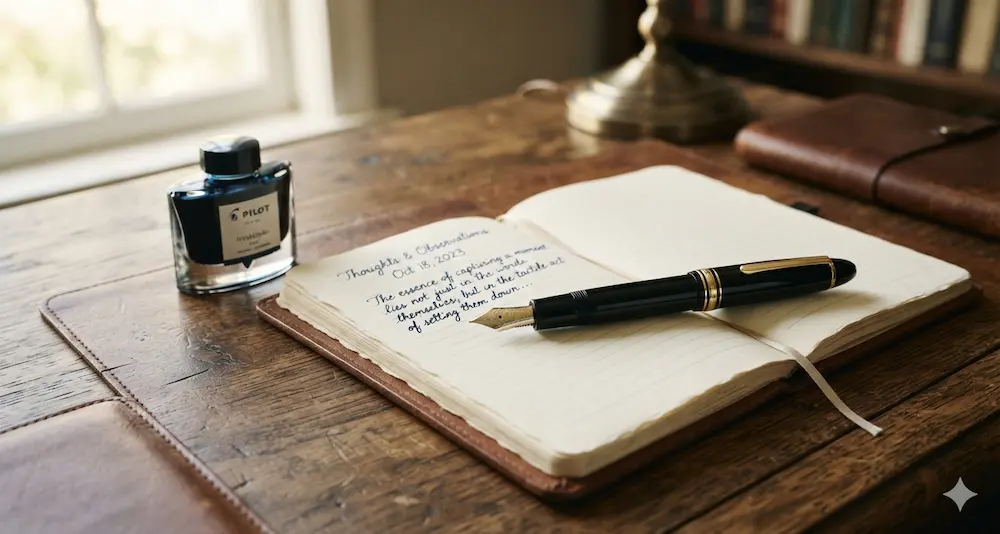
A pen can be used for everyday writing, journaling, note-taking, letter writing, signing documents, sketching, and creative writing. Artists may also use different nibs and ink colors to create expressive lines and illustrations.
For students and professionals, a reliable pen can make handwritten notes more enjoyable. For writers and journal enthusiasts, the tactile experience can encourage slower, more deliberate writing.
How to Choose the Perfect Fountain Pen
Choosing the right pen depends on your writing habits, budget, and personal preferences.
Consider the nib: Beginners often find fine or medium nibs easier to control. Broad nibs may be better for expressive handwriting and larger lettering.
Check the grip: The pen should feel comfortable in your hand. A grip that is too thin, thick, or slippery may become uncomfortable during extended writing.
Choose the filling system: Cartridges are convenient, while converters and piston mechanisms provide greater access to bottled inks.
Think about paper: pen ink can feather or bleed through low-quality paper. If you plan to use one regularly, choose paper designed to handle liquid ink well.
Set a realistic budget: pens range from affordable beginner models to premium handcrafted pieces. A higher price does not automatically guarantee that a particular pen will suit your writing style.
Fountain Pen Care and Maintenance
Proper maintenance can significantly extend the life of a pen. Clean the nib and feed periodically, particularly when changing ink colors or if the ink begins flowing poorly. Avoid leaving ink inside the pen for very long periods without use.
Store the pen properly and keep the cap securely closed when it is not being used. If the pen becomes clogged, gentle cleaning with clean water can often help restore ink flow. Always follow the manufacturer’s care instructions for specialized pens.
Final Thoughts
A pen offers a combination of smooth writing, reusable design, personal expression, and traditional craftsmanship. From simple cartridge models to sophisticated piston-fillers, there is a pen for almost every type of writer.
The best choice is not necessarily the most expensive one. A good fountain pen should feel comfortable, provide reliable ink flow, match your preferred writing style, and fit your everyday needs. With the right pen, suitable ink, and proper care, handwriting can become a more enjoyable and rewarding part of everyday life.
Disclaimer
The information provided in this article is for general informational and educational purposes only. Product features, prices, materials, and recommendations may vary by brand and model. Readers should check the manufacturer’s instructions and product specifications before making a purchase.
FAQs
- What is a pen?
A fountain pen is a reusable writing instrument that uses liquid ink delivered through a nib. - What are the main benefits of a pen?
It offers smooth writing, requires less pressure, is refillable, and allows users to personalize their writing style. - Is a fountain pen good for beginners?
Yes. Beginner-friendly fountain pens with fine or medium nibs are generally easy to use and maintain. - How do you refill a pen?
Depending on the model, it can be refilled using ink cartridges, converters, or built-in filling mechanisms. - How long can a pen last?
With proper cleaning, storage, and maintenance, a quality fountain pen can last for many years.

All news published on XYZ News Live is created, edited, and reviewed by our editorial team. Our goal is to provide readers with accurate, simple, and reliable information.
Website: https://xyznewslive.com