
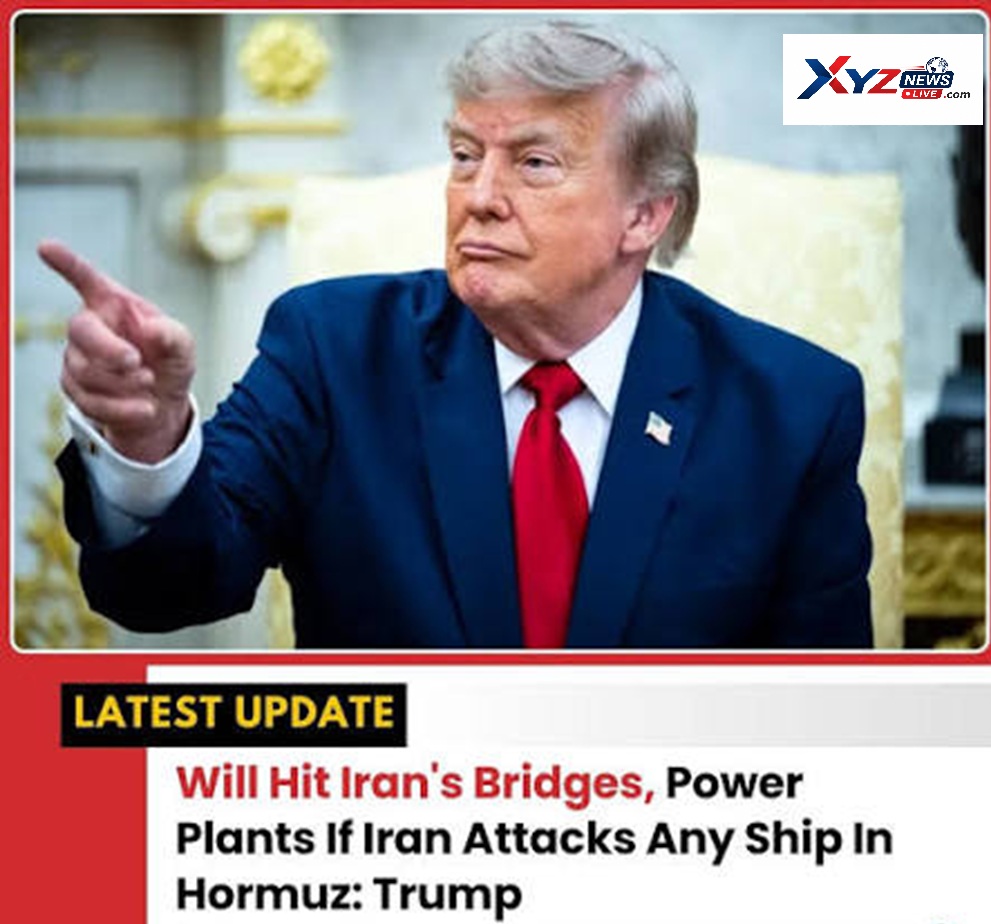
Trump Says Gulf Allies Urged U.S. to Halt Iran Strikes: “We Were Told Not to Attack”
The Trump Iran Strikes debate has once again come into the spotlight after former U.S. President Donald Trump claimed that several Gulf allies urged the United States to avoid launching military strikes against Iran. Speaking during a public event, Trump said regional partners had conveyed a clear message, stating, “We were told not to attack.” His remarks have reignited discussions about diplomacy, regional security, and the role of Middle Eastern allies in preventing further escalation. Trump’s statement comes at a time when tensions in West Asia remain closely monitored by the international community. While military confrontations and diplomatic negotiations have shaped U.S.-Iran relations for years, Trump’s latest comments suggest that key Gulf nations
favoredrestraint over military action during a period of heightened tensions.
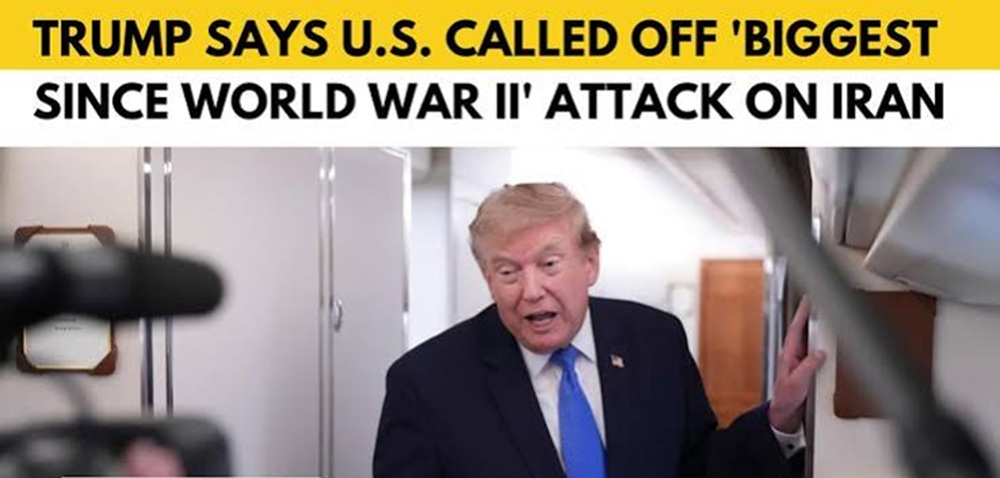
Trump Claims Gulf Allies Preferred Diplomacy
Addressing supporters and members of the media, Trump said that leaders from Gulf countries advised the United States against carrying out strikes on Iran. According to him, these allies believed that a military conflict could destabilize the region and create long-term security challenges. The Trump Iran Strikes discussion has therefore shifted from military strategy to diplomacy. Trump’s comments indicate that regional governments may have viewed dialogue and de-escalation as more effective than direct military intervention. Although Trump did not specify which Gulf countries were involved, the statement has generated widespread attention among political observers and foreign policy experts.
Why the Statement Matters
The Middle East has long remained one of the world’s most strategically important regions due to its energy resources, geopolitical significance, and security concerns. Any military confrontation involving the United States and Iran has the potential to affect:
- Regional peace and stability.
- Global energy markets.
- International shipping routes.
- Diplomatic relations among major powers.
- Economic confidence across the Gulf region.
Trump’s remarks highlight how regional allies may seek to avoid conflicts that could threaten economic growth and national security.
Background of U.S.-Iran Relations
Relations between the United States and Iran have remained strained for decades. Differences over Iran’s nuclear program, regional influence, sanctions, and military activities have frequently led to periods of heightened tension. Successive U.S. administrations have adopted different approaches toward Iran. While some emphasized negotiations and diplomatic engagement, others relied on economic sanctions and military deterrence. The Trump Iran Strikes discussion reflects the continuing debate over how Washington should respond to security concerns involving Tehran.
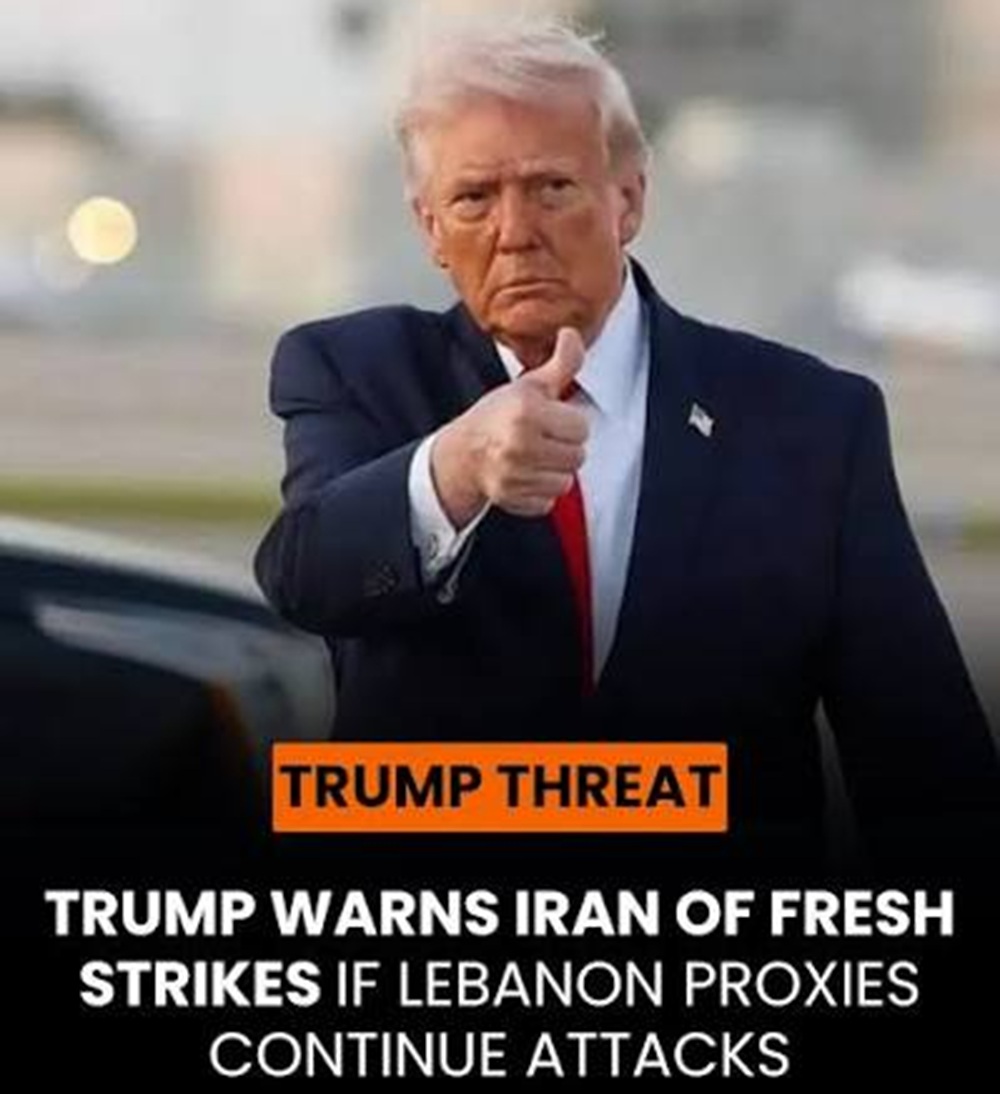
Gulf Nations’ Strategic Concerns
Many Gulf countries maintain close security partnerships with the United States while also sharing geographic proximity with Iran. As a result, regional governments often seek a balance between protecting national security and preventing large-scale conflict. Analysts believe Gulf nations generally prioritize:
- Regional stability.
- Safe maritime trade.
- Economic growth.
- Energy exports.
- Diplomatic engagement whenever possible.
If military action escalates, neighboring countries could face disruptions to trade, investment, tourism, and infrastructure.
Political Reactions
Trump’s statement has sparked political debate both inside and outside the United States. Supporters argue that regional allies possess firsthand knowledge of local security conditions and therefore understand the consequences of military escalation. Critics, however, have questioned the broader context of the remarks and emphasized the importance of official diplomatic records when evaluating such claims. Foreign policy experts note that decisions involving military action are typically influenced by intelligence assessments, diplomatic consultations, and national security priorities.
Impact on Global Markets
Any discussion involving possible military action against Iran often attracts attention from financial markets. Investors closely monitor developments because tensions in West Asia can influence:
- Global crude oil prices.
- Stock market performance.
- Shipping insurance costs.
- Currency movements.
- International trade flows.
Although Trump’s comments do not indicate immediate military action, they underline how geopolitical developments can quickly affect market sentiment.
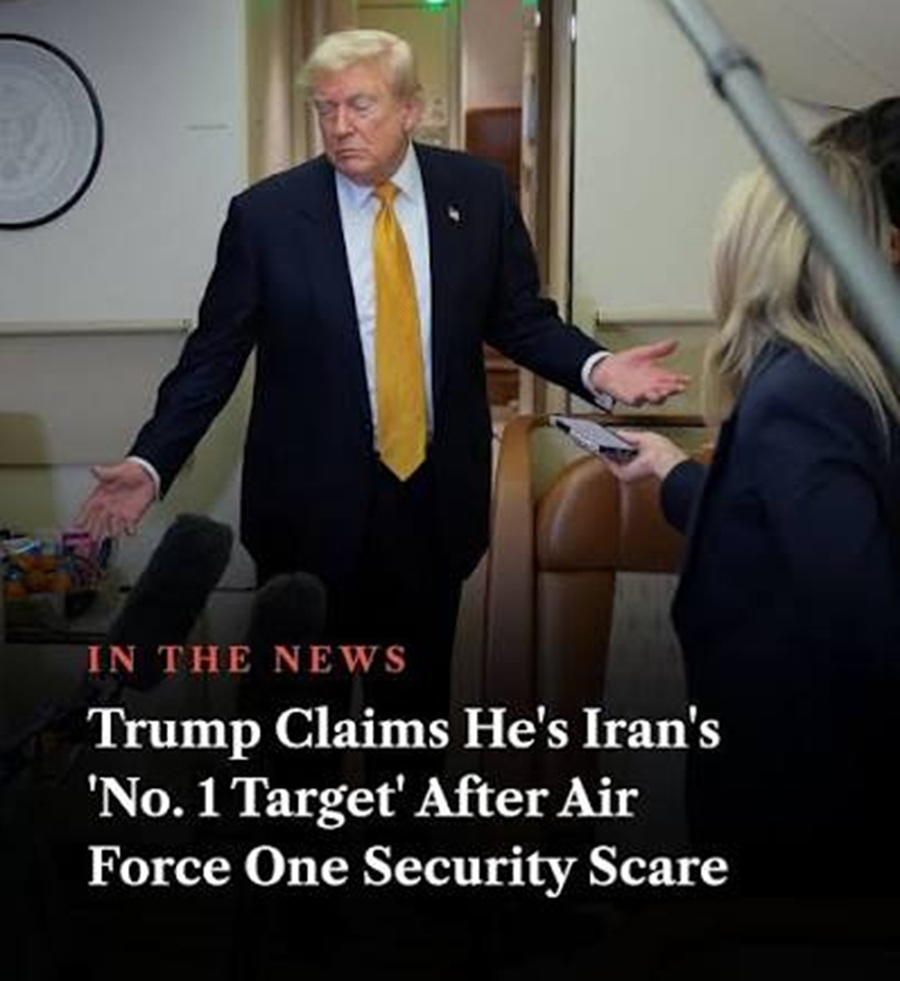
The Importance of Diplomacy
International observers continue to emphasize diplomacy as the preferred path for resolving disputes involving Iran and regional powers. Diplomatic engagement may include:
- High-level negotiations.
- Regional security talks.
- International mediation.
- Economic cooperation.
- Confidence-building measures. Experts believe sustained dialogue can reduce misunderstandings and lower the risk of unintended military escalation.
Global Response
Several governments continue to monitor developments in West Asia closely. International organizations and world leaders have consistently called for restraint, urging all parties to avoid actions that could increase tensions. Maintaining open diplomatic channels remains essential for addressing security concerns while protecting regional peace.
What Trump’s Remarks Could Mean
The Trump Iran Strikes comments are likely to remain part of ongoing discussions surrounding U.S. foreign policy and Middle East security. If regional allies indeed advised against military action, it would demonstrate the importance of consultation between Washington and its strategic partners before making major security decisions. The remarks also highlight how neighboring countries may prioritize stability, economic growth, and diplomatic engagement over armed confrontation.
Conclusion
Donald Trump’s claim that Gulf allies urged the United States to halt potential Iran strikes has added a new dimension to discussions about regional diplomacy and international security. While the full context of the statement continues to be debated, it reinforces the significance of consultations with regional partners during periods of geopolitical tension. As developments unfold, policymakers, analysts, and global markets will continue to monitor U.S.-Iran relations closely. Whether through diplomacy or strategic dialogue, efforts to reduce tensions remain central to maintaining stability across West Asia and safeguarding international economic interests.
FAQs:
Q1. What did Donald Trump say about Iran strikes?
Donald Trump claimed that Gulf allies urged the United States not to launch military strikes on Iran, saying, “We were told not to attack.”
Q2. Why did Gulf allies reportedly oppose Iran strikes?
According to Trump’s statement, Gulf allies were concerned that military action could escalate tensions, destabilize the region, and impact economic and security interests.
Q3. Which Gulf countries did Trump mention?
Trump did not identify the specific Gulf nations that allegedly advised the U.S. to avoid attacking Iran.
Q4. How could Iran strikes affect the Middle East?
Military action could lead to increased regional tensions, disruptions to trade routes, higher oil prices, and broader security challenges across West Asia.
Q5. What is the current status of U.S.-Iran relations?
The United States and Iran continue to have strained relations over issues including Iran’s nuclear program, regional security, sanctions, and military activities.
Disclaimer:
This article is based on publicly available reports and statements made by former U.S. President Donald Trump at the time of publication. Developments related to U.S.-Iran relations and regional security may change as new information becomes available. Readers are advised to refer to official statements from the U.S. government, the concerned Gulf nations, and other relevant authorities for the latest verified updates. This content is intended for informational and news purposes only.
Top 5 Bankipur Byelection Results: Prashant Kishor Faces First Major Electoral Challenge in Bihar

All news published on XYZ News Live is created, edited, and reviewed by our editorial team. Our goal is to provide readers with accurate, simple, and reliable information.
Website: https://xyznewslive.com