
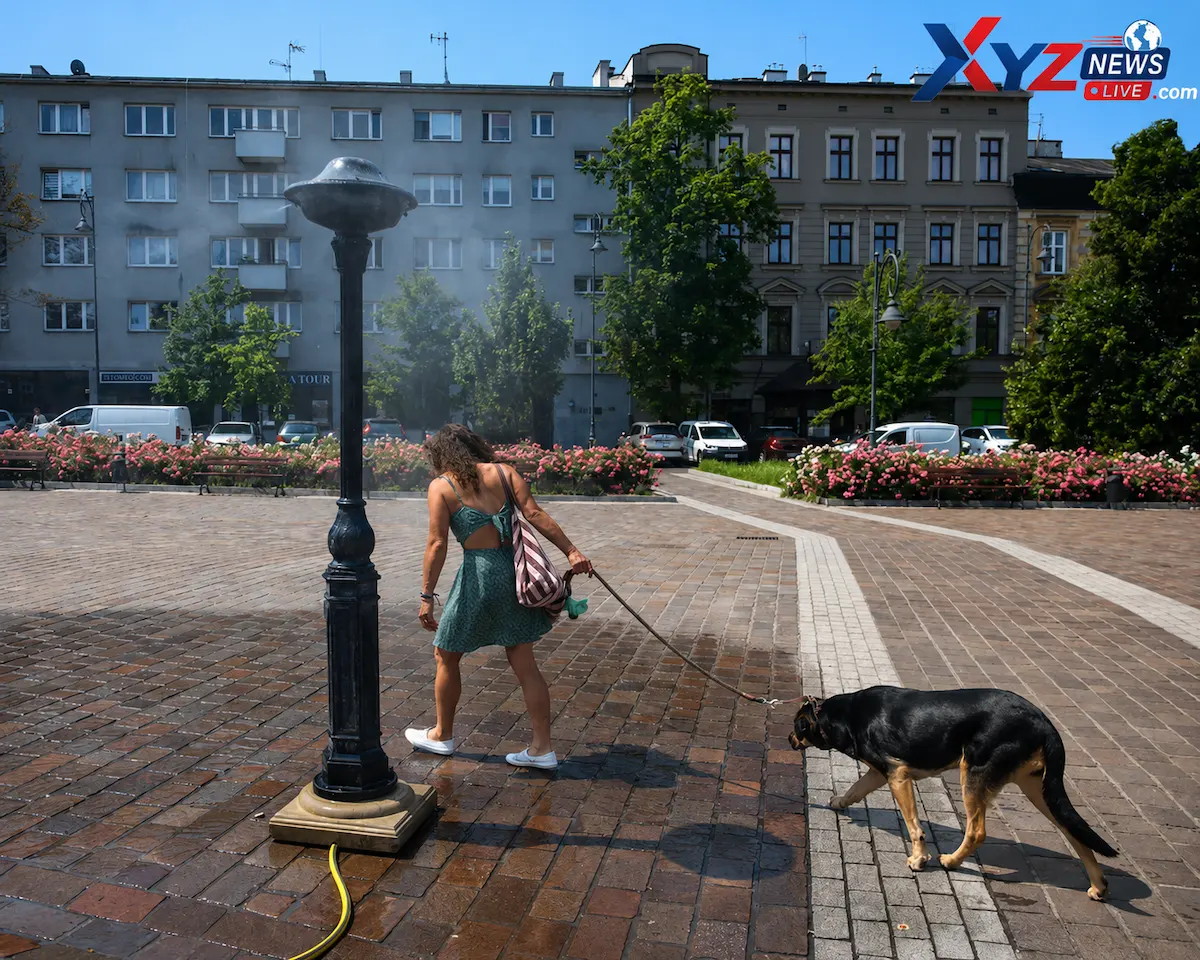
East Europe Heatwave 2026: Slovakia and Czechia Face Record Heat
Eastern Europe is experiencing an intense heatwave as Slovakia and Czechia record some of the highest temperatures ever observed for this time of year. In several regions, temperatures have climbed above 38–40°C, prompting weather agencies to issue heat alerts and advise residents to take precautions.
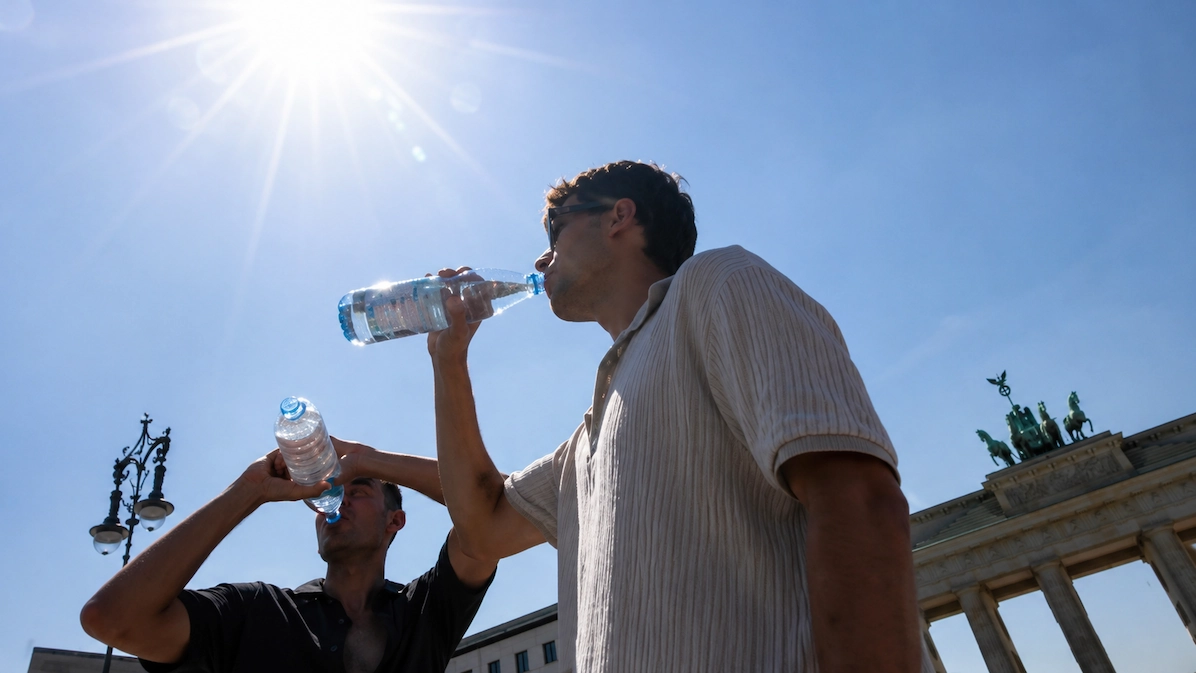
The prolonged hot weather has increased the risk of heatstroke, dehydration, wildfires, and water shortages, while also putting pressure on power grids due to higher electricity demand for cooling. Health authorities have urged children, older adults, and people with medical conditions to avoid prolonged exposure to the sun.
East Europe Heatwave 2026: Key Highlights
- Slovakia and Czechia witnessed record-breaking temperatures during the ongoing heatwave.
- Temperatures reached above 38–40°C in several regions, prompting heat alerts.
- Authorities issued weather warnings and advised people to stay indoors during peak heat hours.
- The risk of wildfires, drought, and water shortages has increased due to prolonged extreme heat.
- Health officials warned of heatstroke and dehydration, especially for children and older adults.
- Electricity demand has surged as air conditioning use increased across affected areas.
- Climate experts link the extreme heat to long-term climate change and persistent high-pressure weather systems.
- The heatwave is expected to continue, with meteorologists monitoring conditions and issuing updated forecasts.
East Europe Heatwave 2026: What Happened?
A powerful heatwave swept across Eastern Europe, causing temperatures in Slovakia and Czechia to reach some of the highest levels ever recorded during the summer season. The prolonged spell of hot weather has affected millions of residents and disrupted daily activities.
Meteorologists say a strong high-pressure system trapped hot air over Central and Eastern Europe, preventing cooler air from entering the region. As a result, temperatures remained extremely high for several consecutive days.
East Europe Heatwave 2026: The Complete Story
The heatwave is part of a broader pattern of extreme weather affecting several European countries. During recent summers, Europe has witnessed more frequent and longer-lasting heatwaves, with scientists warning that climate change is increasing both their intensity and duration.
Slovakia and Czechia have been among the hardest-hit countries during this event, with local authorities continuously monitoring weather conditions and issuing updated advisories.
East Europe Heatwave 2026: Official Statements
National weather agencies urged citizens to remain indoors during peak afternoon hours, drink plenty of water, and avoid strenuous outdoor activities.
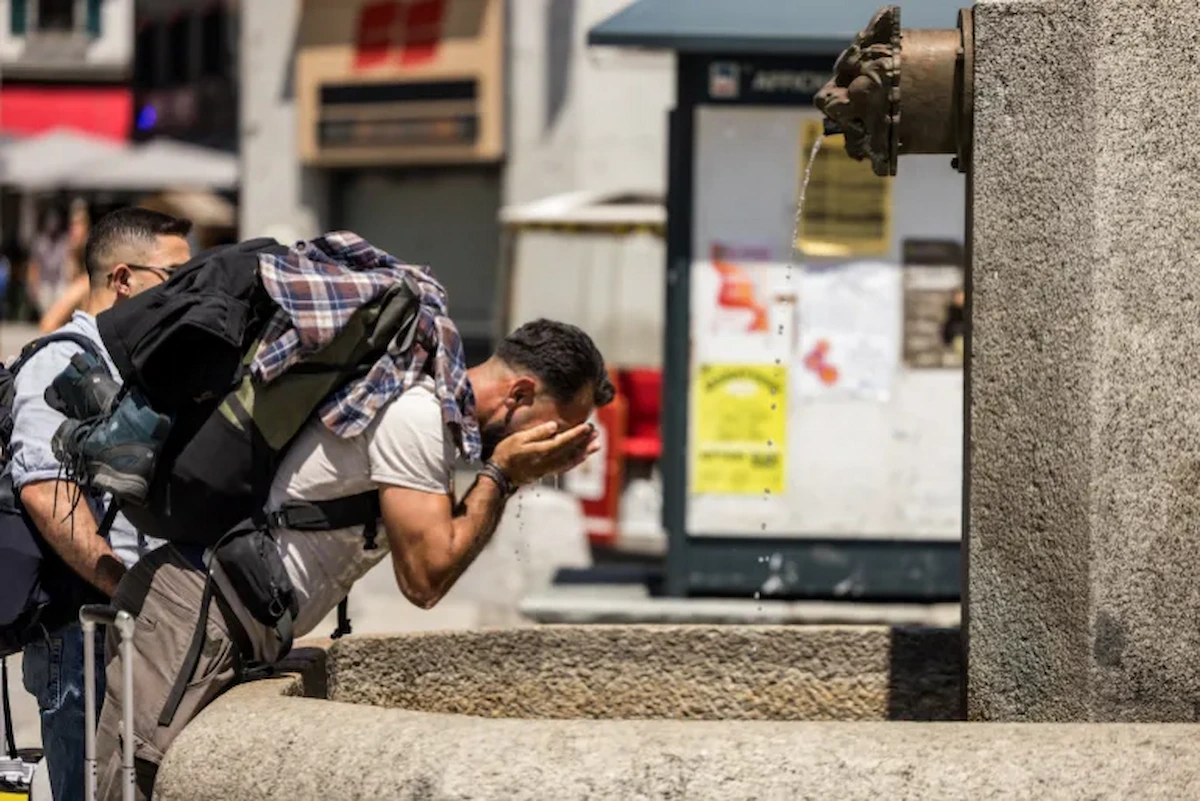
Health authorities advised parents, senior citizens, pregnant women, and people with chronic illnesses to take additional precautions against heat-related illnesses.
Emergency services also remained on alert due to the increased possibility of wildfires and medical emergencies caused by extreme temperatures.
East Europe Heatwave 2026: How Will It Affect People?
The ongoing heatwave is expected to affect daily life in several ways:
- Higher risk of heatstroke and dehydration.
- Increased electricity consumption due to air conditioners.
- Water shortages in some regions.
- Greater wildfire danger in forests and grasslands.
- Reduced productivity for outdoor workers.
- Stress on healthcare systems because of heat-related emergencies.
Children, elderly people, and individuals with heart or respiratory conditions remain the most vulnerable.
East Europe Heatwave 2026: What Do Experts Say?
Climate scientists believe that while heatwaves are natural weather events, global warming is making them more frequent and more intense.
Meteorologists explain that persistent high-pressure systems can trap hot air for several days, creating prolonged periods of extreme temperatures. Experts recommend strengthening urban cooling strategies, improving water management, and investing in climate adaptation measures.
East Europe Heatwave 2026: Facts and Figures
- Temperatures exceeded 38–40°C in several affected regions.
- Millions of residents across Eastern Europe experienced heat warnings.
- Electricity demand increased significantly because of cooling requirements.
- Wildfire risk reached elevated levels in dry forest areas.
- Multiple health advisories were issued to reduce heat-related illnesses.
East Europe Heatwave 2026: What Could Happen Next?
Weather experts expect temperatures to remain above average for the next several days, although localized thunderstorms may bring temporary relief in some areas.

Authorities will continue monitoring conditions and may introduce additional emergency measures if the heatwave persists. Governments are also expected to focus on improving disaster preparedness and climate resilience.
East Europe Heatwave 2026: Social Media and Public Reaction
The extreme temperatures quickly became a trending topic across social media platforms.
Many users shared photographs of empty streets, dry landscapes, and soaring temperature displays. Others expressed concerns about climate change, public health, and the increasing frequency of extreme weather events.
Environmental organizations also renewed calls for stronger climate action and better preparation for future heatwaves.
Conclusion: East Europe Heatwave 2026
The East Europe Heatwave 2026 has highlighted the growing challenge of extreme weather across Europe. With Slovakia and Czechia recording exceptionally high temperatures, governments, health authorities, and residents are working together to reduce risks and protect public safety. Experts believe that improving climate resilience, emergency preparedness, and public awareness will be essential as extreme heat events become more frequent in the coming years.
Frequently Asked Questions (FAQ)
Q1. What caused the East Europe Heatwave 2026?
A persistent high-pressure weather system trapped hot air over Eastern Europe, leading to unusually high temperatures.
Q2. Which countries are most affected?
Slovakia and Czechia have recorded some of the highest temperatures, although other parts of Europe are also experiencing extreme heat.
Q3. How dangerous is the heatwave?
Extreme heat can cause dehydration, heat exhaustion, heatstroke, and increase wildfire risks, especially for vulnerable groups.
Q4. Is climate change responsible?
Scientists say climate change increases the likelihood and intensity of extreme heat events, although individual weather systems also play an important role.
Q5. What precautions should people take?
Stay hydrated, avoid direct sunlight during peak hours, wear light clothing, and follow official weather advisories.
Disclaimer:
This article is based on publicly available information and official weather updates available at the time of publication. Weather conditions and government advisories may change. Readers should follow official local authorities for the latest updates.
Read more:https://xyznewslive.com/rajya-sabha-new-member/

The XYZ Official Team is the editorial team behind XYZ News Live. The team covers education, government schemes, business, entertainment, sports, and breaking news. Its mission is to provide readers with accurate, reliable, and up-to-date information through well-researched content.
Website: https://xyznewslive.com