


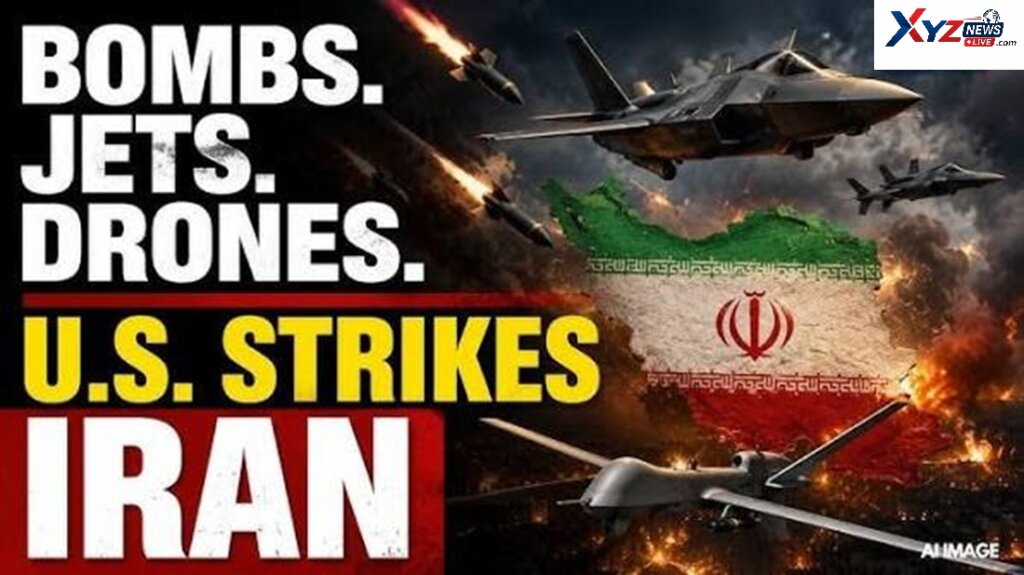
West Asia War: U.S. Military Carries Out New Airstrikes on Iran
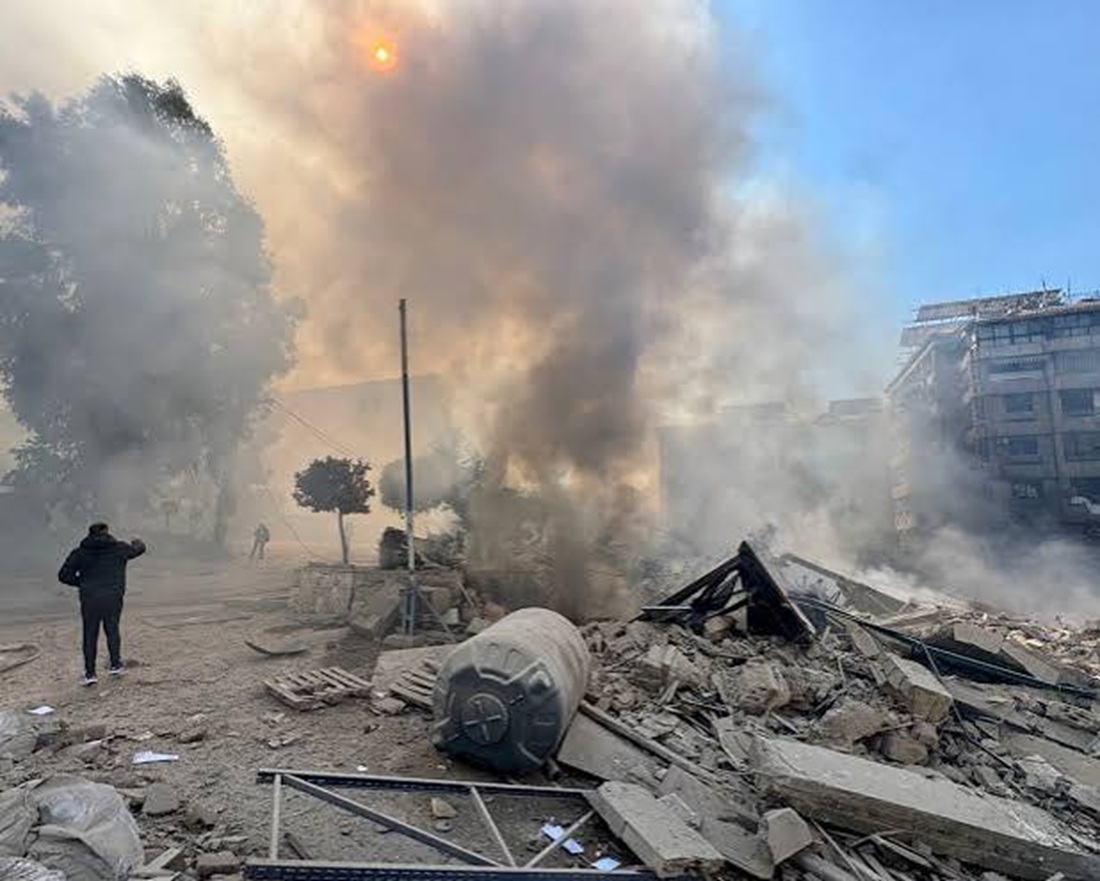
West Asia War: Tensions in West Asia have intensified once again after reports that the United States military carried out a fresh round of airstrikes targeting locations linked to Iran. The latest military action has raised concerns about a wider regional conflict, with governments across the world closely monitoring the rapidly evolving situation. While officials have confirmed that military operations took place, details regarding the exact targets, the extent of the damage, and possible casualties are still emerging. Independent verification of all claims remains ongoing.
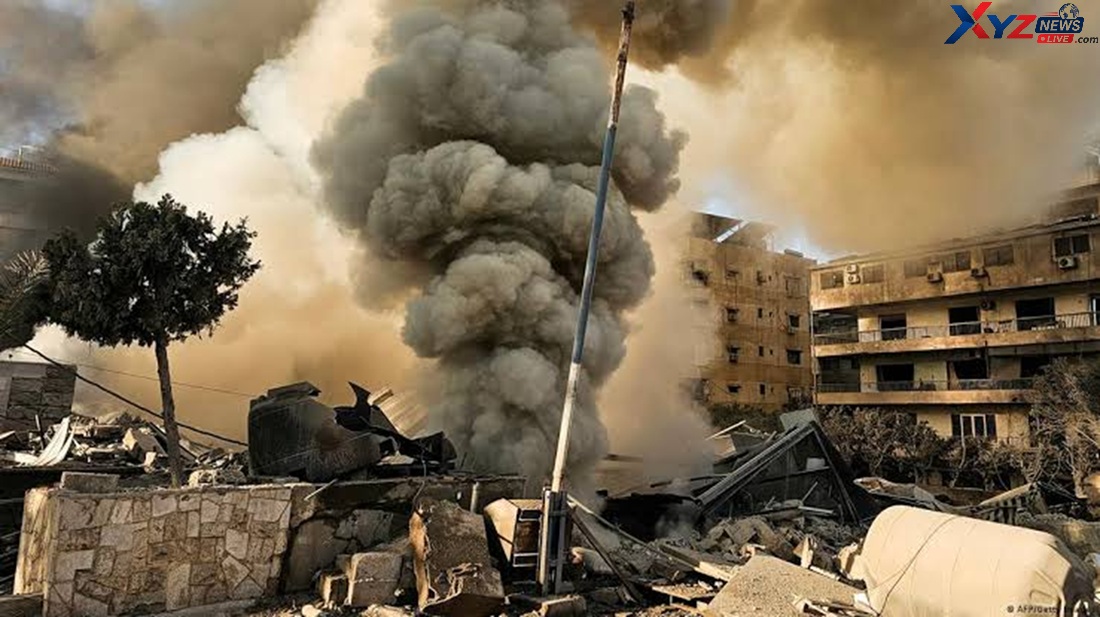

West Asia War Fresh Military Action Raises Regional Tensions
According to initial reports, the U.S. military conducted precision strikes on what American officials described as strategic military-related targets associated with Iran. The operation reportedly involved advanced aircraft and long-range precision weapons. Officials stated that the objective of the strikes was to reduce what they called immediate security threats to U.S. personnel and military assets operating in the region. However, Iranian authorities strongly criticized the operation, calling it a violation of international law and national sovereignty. The exchange has significantly increased concerns that the conflict could spread beyond the current areas of tension.
West Asia War Iran Responds Strongly
Iranian leaders condemned the U.S. airstrikes and warned that the country reserves the right to respond if its interests or territory continue to be targeted. Government officials in Tehran urged the international community to condemn the attacks and called for diplomatic efforts to prevent further escalation. Iranian state media also reported that emergency services were deployed to assess the situation in the affected areas. Military analysts believe Iran may consider diplomatic, political, or military responses depending on future developments.
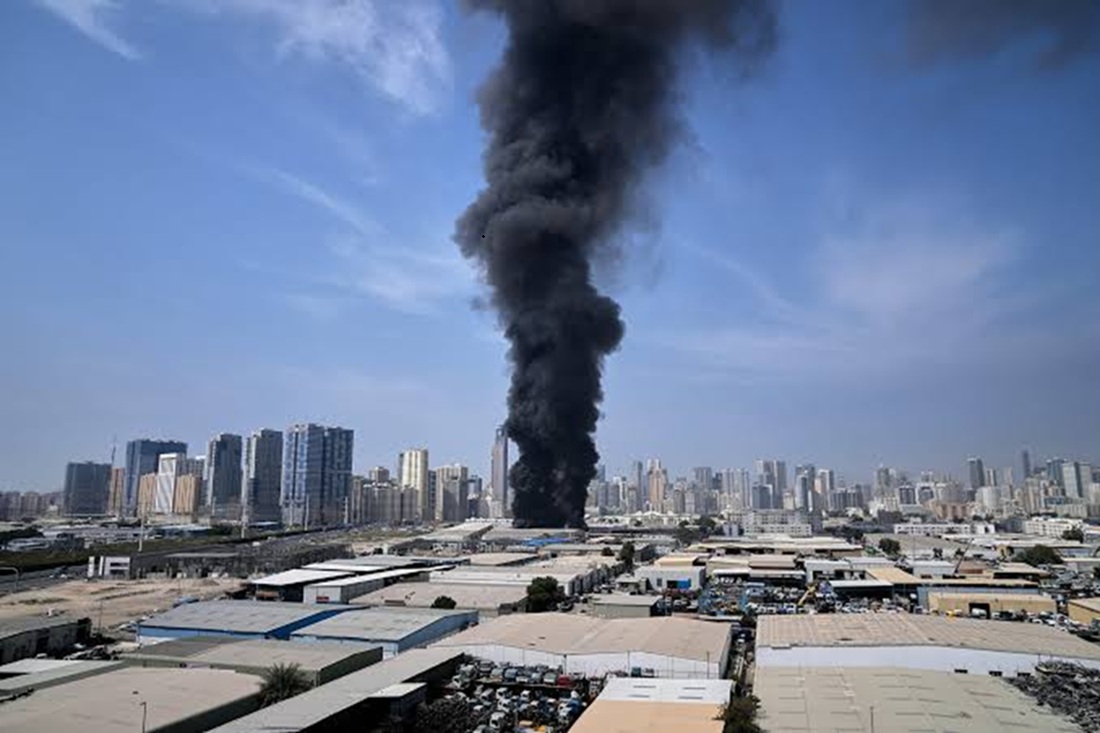

West Asia War United States Explains Operation
The U.S. Department of Defense said the strikes were carried out after intelligence assessments indicated potential threats against American personnel and facilities. Officials emphasized that the military action was intended to be limited in scope and was not aimed at starting a broader war. At the same time, the United States reiterated that it remains prepared to protect its forces and allies if additional threats emerge. The White House also stated that Washington continues to support diplomatic efforts while maintaining its commitment to regional security.
West Asia War Global Leaders Call for Restraint
The latest developments have triggered international concern. Several countries urged both Washington and Tehran to avoid actions that could further destabilize West Asia. The United Nations appealed for restraint and encouraged all parties to return to dialogue instead of military confrontation. Many diplomatic observers warned that continued military exchanges could have serious humanitarian, economic, and geopolitical consequences. Regional governments have also increased security monitoring as they evaluate the potential impact on neighboring countries.
Impact on Global Oil Markets
West Asia plays a crucial role in global energy supplies, and renewed military tensions immediately affected financial markets. Oil prices experienced upward pressure amid fears that any disruption to shipping routes or energy infrastructure could reduce global supply. Investors also shifted toward safer assets as uncertainty increased. Energy experts noted that if tensions continue to rise, international crude oil prices may remain volatile in the coming weeks. Countries that rely heavily on imported oil are expected to closely monitor the situation due to possible effects on fuel prices and inflation.
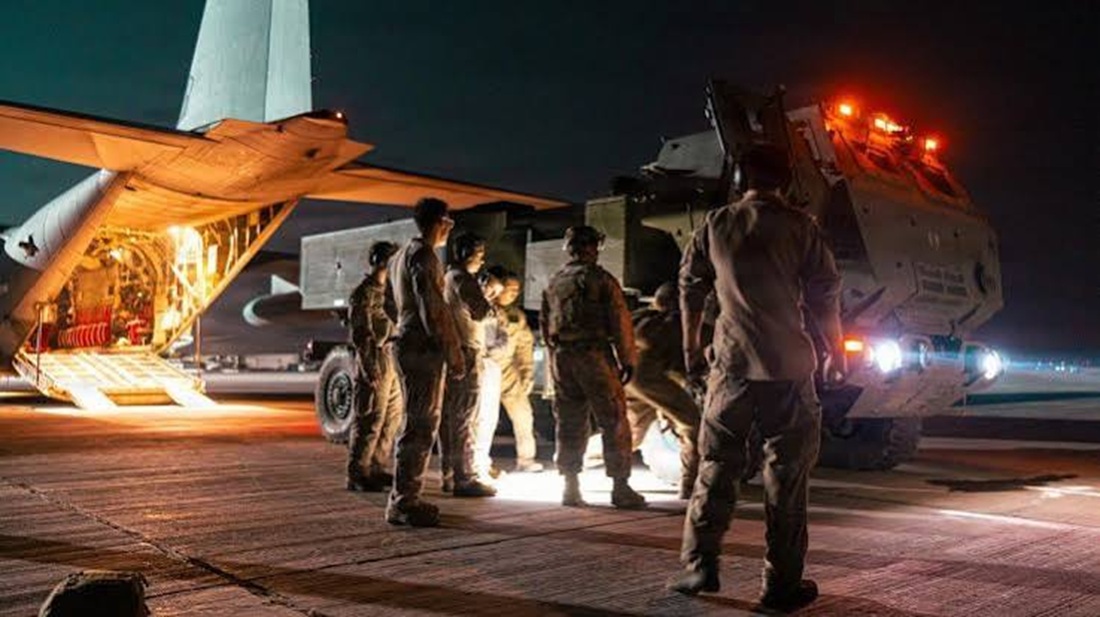

Concerns Over Regional Security
Security experts believe that continued military action between the United States and Iran could increase risks across several parts of West Asia. Military installations, shipping lanes, and strategic infrastructure may remain on heightened alert. International shipping companies are also reviewing security measures for vessels operating in sensitive maritime areas. Analysts say that even limited military exchanges can create broader uncertainty throughout the region.
Diplomatic Efforts Continue
Despite the military escalation, diplomatic channels remain active. Several governments are reportedly working behind the scenes to encourage direct communication between the parties involved. International organizations have also emphasized the importance of avoiding misunderstandings that could trigger unintended escalation. Foreign policy experts argue that sustained diplomacy remains the most effective path toward reducing tensions and preventing further conflict.
Humanitarian Concerns
Aid organizations expressed concern that any prolonged military confrontation could affect civilians living near conflict-prone areas. Humanitarian groups emphasized the importance of protecting civilian infrastructure, ensuring access to medical assistance, and maintaining humanitarian corridors if conditions worsen. International agencies continue to monitor developments and assess potential humanitarian needs.

What Happens Next?
The coming days are expected to be critical for regional stability. Observers will closely watch whether additional military operations are carried out or whether diplomatic initiatives succeed in reducing tensions. Markets, governments, and international organizations are all preparing for multiple possible scenarios. Security analysts believe that communication between major regional and global powers will play an important role in determining whether the situation stabilizes or escalates further. For now, the international community continues to urge restraint while monitoring official statements from both the United States and Iran. As more verified information becomes available, the overall picture of the latest military operation and its consequences is expected to become clearer.
Conclusion
The reported U.S. military airstrikes on Iran mark another significant development in the ongoing West Asia War. While both sides continue to defend their respective positions, the broader international community is emphasizing diplomacy over confrontation. With geopolitical tensions, energy markets, and regional security all affected, the world remains focused on the next steps that could shape the future of West Asia.
FAQs:
Q1. Why did the U.S. launch new airstrikes on Iran?
Answer: According to U.S. officials, the strikes were carried out to address security threats against American personnel and military assets in the region. Iran has strongly rejected this justification.
Q2. Where were the U.S. airstrikes conducted?
Answer: Officials have reported strikes on locations described as military-related targets linked to Iran. Detailed information about the exact locations has not been independently verified.
Q3. How has Iran responded to the airstrikes?
Answer: Iran condemned the attacks, calling them a violation of its sovereignty, and stated that it reserves the right to respond through appropriate measures.
Q4. What impact could the conflict have on global oil prices?
Answer: Rising tensions in West Asia can create uncertainty in global energy markets, potentially leading to higher crude oil prices and increased fuel costs if the situation escalates.
Q5. Has the United Nations reacted to the latest developments?
Answer: The United Nations and several countries have urged all parties to exercise restraint and pursue diplomatic dialogue to prevent further escalation.
Q6. Could the West Asia conflict expand into a wider regional war?
Answer: Security analysts warn that continued military exchanges increase the risk of a broader regional conflict, although the future course of events remains uncertain.
Q7. Are international flights and shipping likely to be affected?
Answer: Heightened tensions may lead to increased security measures for air travel and maritime shipping in parts of West Asia, depending on how the situation develops.
Q8. Where can readers find verified updates on the West Asia War?
Answer: Readers should follow official government statements and reports from reputable news organizations for verified and up-to-date information as the situation continues to evolve.
Disclaimer:
This article is based on publicly available information, official statements, and reports available at the time of publication. As the West Asia War situation is rapidly evolving, some details may change as new information becomes available. The article is intended for informational and news purposes only and does not endorse or support the views or actions of any government, military, or organization. Readers are encouraged to follow official sources and trusted news agencies for the latest verified updates.


All news published on XYZ News Live is created, edited, and reviewed by our editorial team. Our goal is to provide readers with accurate, simple, and reliable information.
Website: https://xyznewslive.com