


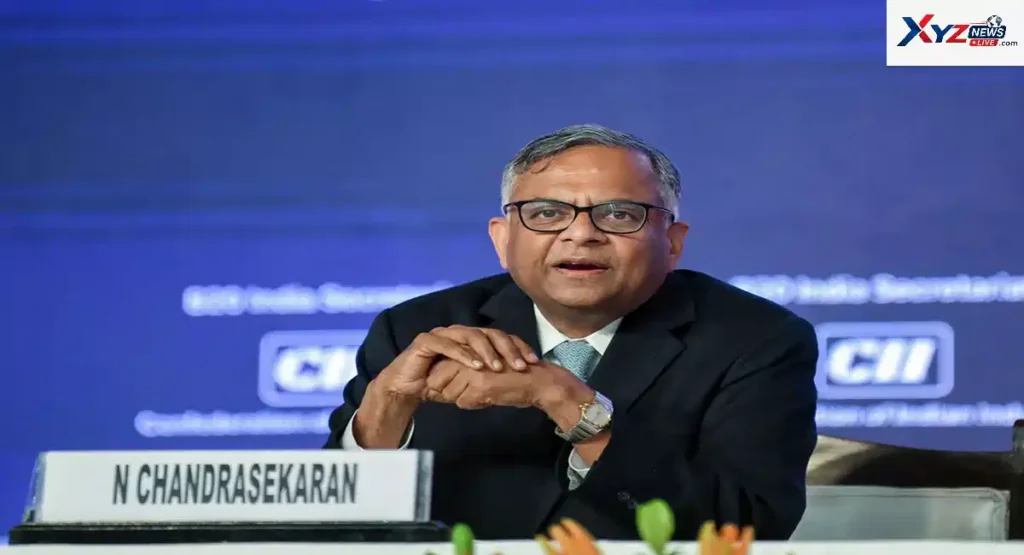
N. Chandrasekaran to Step Down as Tata Sons Chairman in February 2027: Major Leadership Change Ahead
N. Chandrasekaran, Chairman of Tata Sons, has announced his resignation from the top leadership position, marking a major development for the Tata Group. However, N. Chandrasekaran will continue as Chairman until February 2027 so that he can oversee several strategic projects that are currently at critical stages. The development comes after months of uncertainty over his reappointment and differences within the leadership structure of Tata Sons and Tata Trusts. (Reuters)
The decision makes N. Chandrasekaran‘s planned departure one of the biggest leadership changes for the Tata Group in recent years. His tenure has coincided with major investments and strategic expansion across sectors including technology, automobiles, airlines, electronics and manufacturing.
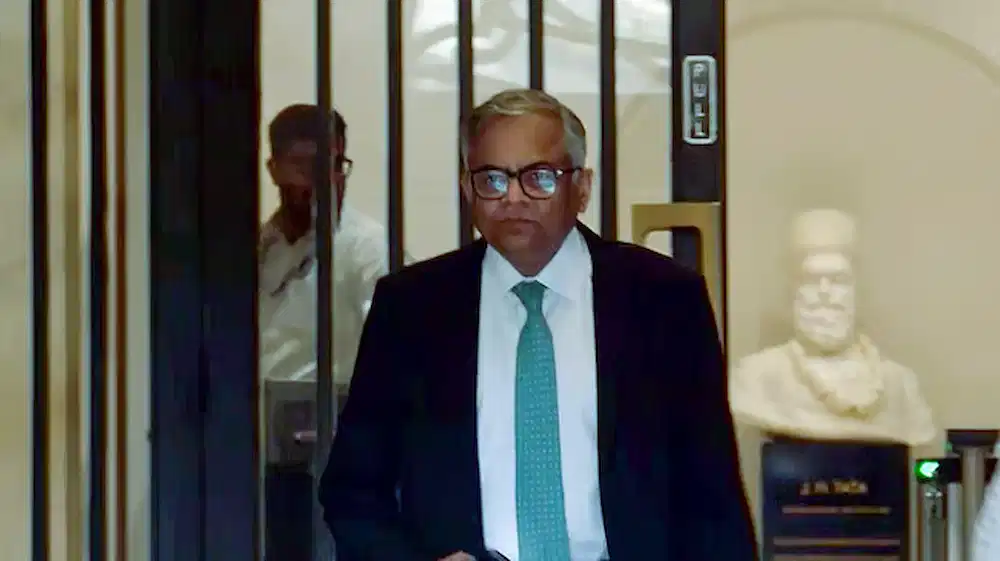

N. Chandrasekaran Resigns as Tata Sons Chairman
According to a Reuters report, N. Chandrasekaran has announced that he will step down as Chairman of Tata Sons in February 2027. His decision follows a prolonged deadlock over his reappointment to the board.
The issue had already surfaced earlier in 2026 when the Tata Sons board deferred discussions about extending N. Chandrasekaran‘s tenure. His current term was scheduled to end in February 2027, and discussions about a possible third term had been underway. However, differences emerged during the process. (Reuters)
In February, Tata Sons directors did not reach a decision on extending N. Chandrasekaran‘s tenure. Tata Trusts Chairman Noel Tata had raised concerns about losses in some of the group’s businesses and other strategic matters. Tata Trusts holds around 66% of Tata Sons, making its position particularly significant in the group’s governance structure. (NDTV)
Why Is N. Chandrasekaran Leaving?
The resignation comes after several months of uncertainty surrounding N. Chandrasekaran‘s future at Tata Sons. Reuters reported that the disagreement between Chandrasekaran and Tata Trusts was the key reason behind his resignation.
The differences reportedly involved issues such as board representation, strategic direction, losses at certain businesses and the future of the group. The performance of businesses including Air India and Tata Digital had also become a subject of discussion during earlier board deliberations. (Reuters)
The development highlights the importance of coordination between Tata Sons and Tata Trusts. Since Tata Trusts owns a majority stake in Tata Sons, any disagreement between the two sides can have a significant impact on the conglomerate’s leadership and long-term strategy.
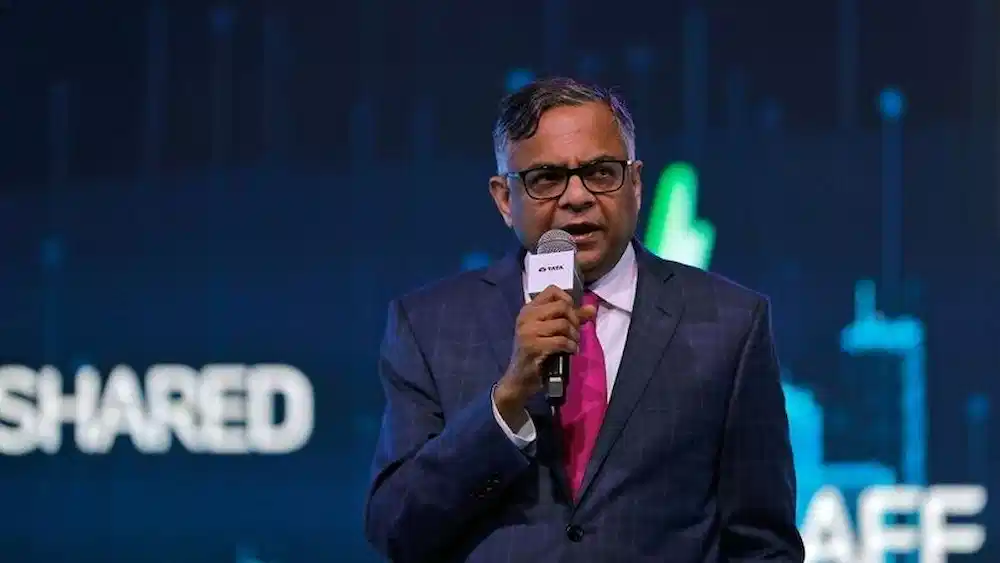

N. Chandrasekaran Will Continue Until February 2027
Although N. Chandrasekaran has resigned, he is not leaving the company immediately. He will remain Chairman until February 2027.
The reason is linked to several strategic projects being handled by Tata Group companies. Chandrasekaran has indicated that Tata Sons is a large institution with multiple important projects currently in critical stages of execution. His continued presence is therefore expected to provide leadership continuity during the transition period. (Reuters)
This transition period could also give Tata Sons additional time to identify and appoint a successor who can lead the conglomerate through its next phase.
N. Chandrasekaran’s Journey at Tata Group
N. Chandrasekaran has had a long association with the Tata Group. He joined Tata Consultancy Services in 1987 and gradually moved through the company’s leadership ranks.
He became CEO and Managing Director of TCS in 2009 and later took charge as Chairman of Tata Sons in February 2017. He became the first person from outside the Tata family to lead the holding company in its modern era. (NDTV)
During his tenure,played an important role in expanding Tata Group’s presence across several strategic sectors. The conglomerate increased its focus on areas such as semiconductors, electric vehicles, electronics manufacturing and aviation.
His tenure also included the acquisition and integration of Air India into the Tata Group, making aviation one of the major areas of focus for the conglomerate.
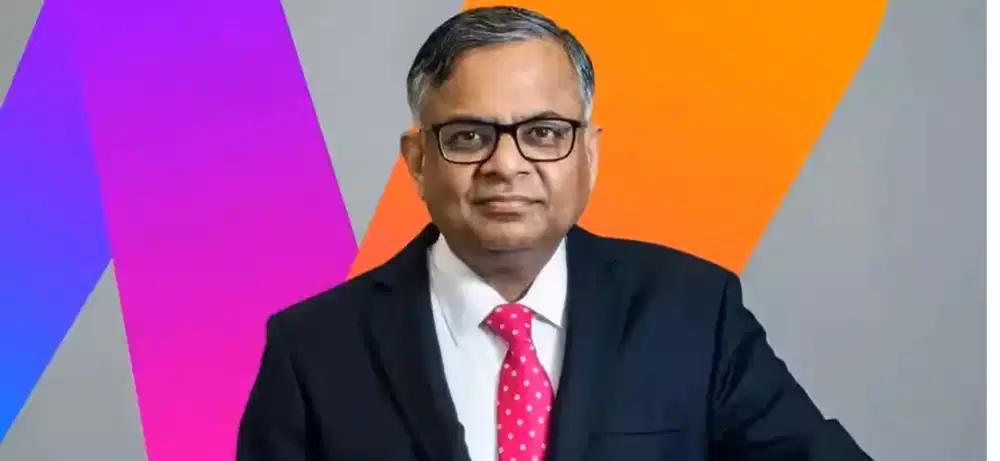

Impact on Tata Group Companies
The resignation of has attracted attention from investors because Tata Sons sits at the centre of one of India’s largest business groups. Tata Group companies operate across technology, automobiles, consumer products, airlines, financial services and other industries.
Market reaction was immediate after the resignation news. Reuters reported that shares of several Tata Group companies declined, with TCS falling around 4% at one point. The reaction reflected investor concerns about leadership uncertainty and the potential impact of the transition on the group’s strategic direction. (Reuters)
However, remaining in office until February 2027 could help reduce the immediate impact of the leadership change by allowing an orderly transition.
What Happens
The biggest question now is who will succeed N. Chandrasekaran as Tata Sons Chairman.
The successor will inherit a conglomerate involved in several large and complex projects. Tata Group’s investments in semiconductor manufacturing, electric vehicles, electronics, aviation and digital businesses will require long-term strategic decisions.
The next chairman will also have to manage the relationship between Tata Sons and Tata Trusts while maintaining investor confidence and ensuring that major businesses remain financially sustainable.
The leadership transition could therefore become an important turning point for the Tata Group.
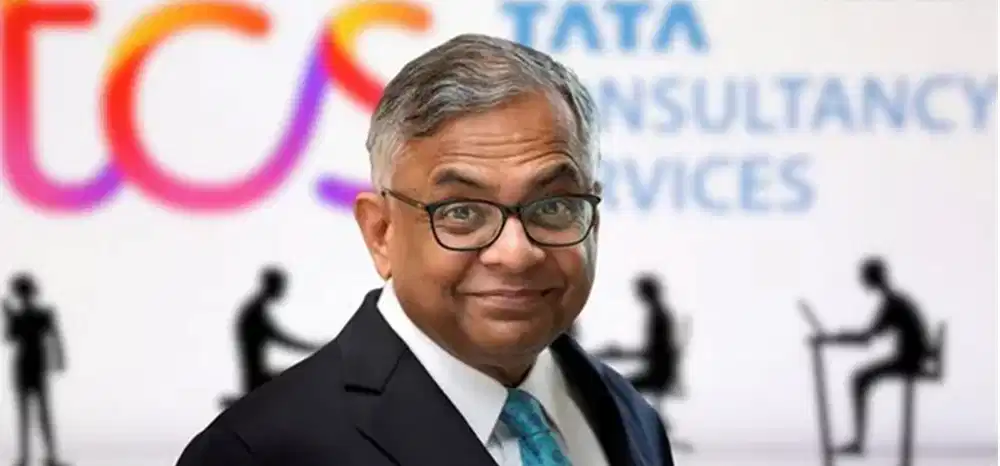

A Major Leadership Transition for Tata Sons
The resignation of marks the beginning of a new chapter for Tata Sons. While he will remain in charge until February 2027, the announcement gives the group time to prepare for a leadership transition.
For now, the focus will remain on ensuring that ongoing strategic projects continue smoothly and that the succession process is handled carefully.
The era has been defined by expansion, restructuring and major investments in emerging industries. His eventual departure will therefore be closely watched by investors, employees and the wider Indian business community.
Key Highlights:
- N. Chandrasekaran has announced his resignation as Tata Sons Chairman.
- He will continue in the role until February 2027.
- His resignation follows months of uncertainty over his reappointment.
- Differences with Tata Trusts were reported as a major factor behind the decision.
- Tata Trusts owns approximately 66% of Tata Sons.
- N. Chandrasekaran has led Tata Sons since February 2017.
- His tenure included major strategic moves in aviation, technology, electric vehicles and electronics.
- Tata Sons will now need to plan for a new chairman and ensure a smooth leadership transition.
FAQs:
1. When will N. Chandrasekaran step down as Tata Sons Chairman?
is expected to step down as Tata Sons Chairman in February 2027.
2. Why is N. Chandrasekaran stepping down?
His planned departure follows months of uncertainty around his reappointment and reported differences concerning governance and the strategic direction of Tata Sons.
3. How long has N. Chandrasekaran been Tata Sons Chairman?
became Chairman of Tata Sons in February 2017 and has led the group for around a decade.
4. What sectors did N. Chandrasekaran focus on during his tenure?
During his tenure, Tata Group expanded its focus across areas including technology, aviation, electric vehicles, electronics, manufacturing and digital businesses.
5. Who will replace N. Chandrasekaran as Tata Sons Chairman?
A successor has not been confirmed publicly yet. The Tata Group and its stakeholders will need to determine the next chairman before departure.
Disclaimer:
यह लेख N. Chandrasekaran और Tata Sons से जुड़ी सार्वजनिक रूप से उपलब्ध रिपोर्ट्स पर आधारित है। Chairman के पद से हटने की तारीख, उत्तराधिकारी और कंपनी की भविष्य की रणनीति में बदलाव आधिकारिक घोषणाओं के अनुसार बदल सकते हैं। पाठकों को निवेश या वित्तीय निर्णय लेने से पहले Tata Sons और संबंधित आधिकारिक स्रोतों से जानकारी की पुष्टि करनी चाहिए।











All news published on XYZ News Live is created, edited, and reviewed by our editorial team. Our goal is to provide readers with accurate, simple, and reliable information.
Website: https://xyznewslive.com