


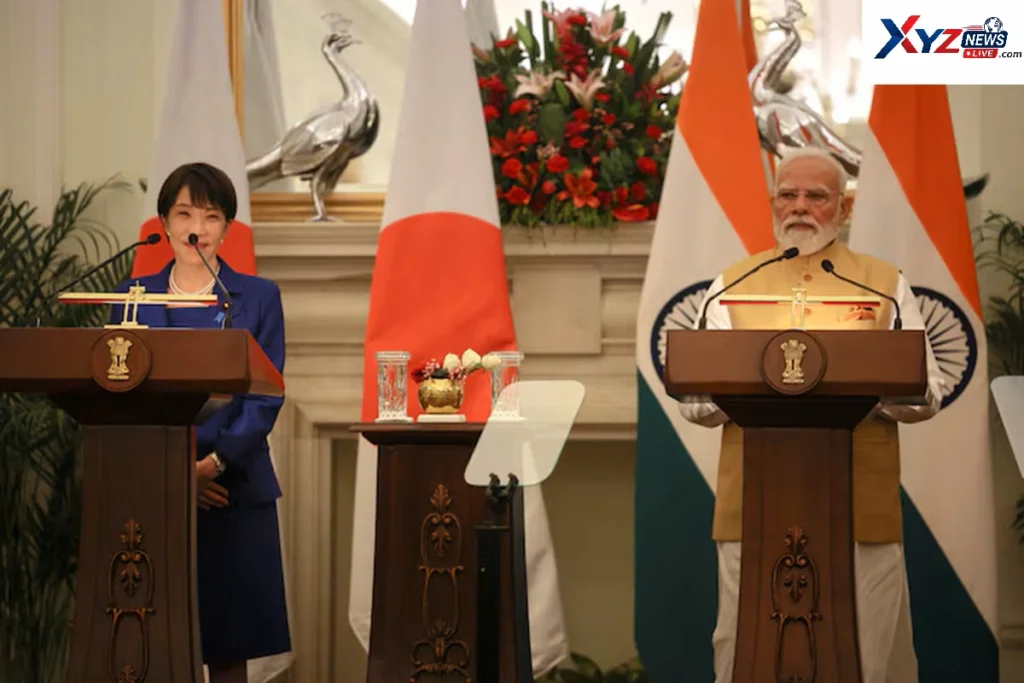

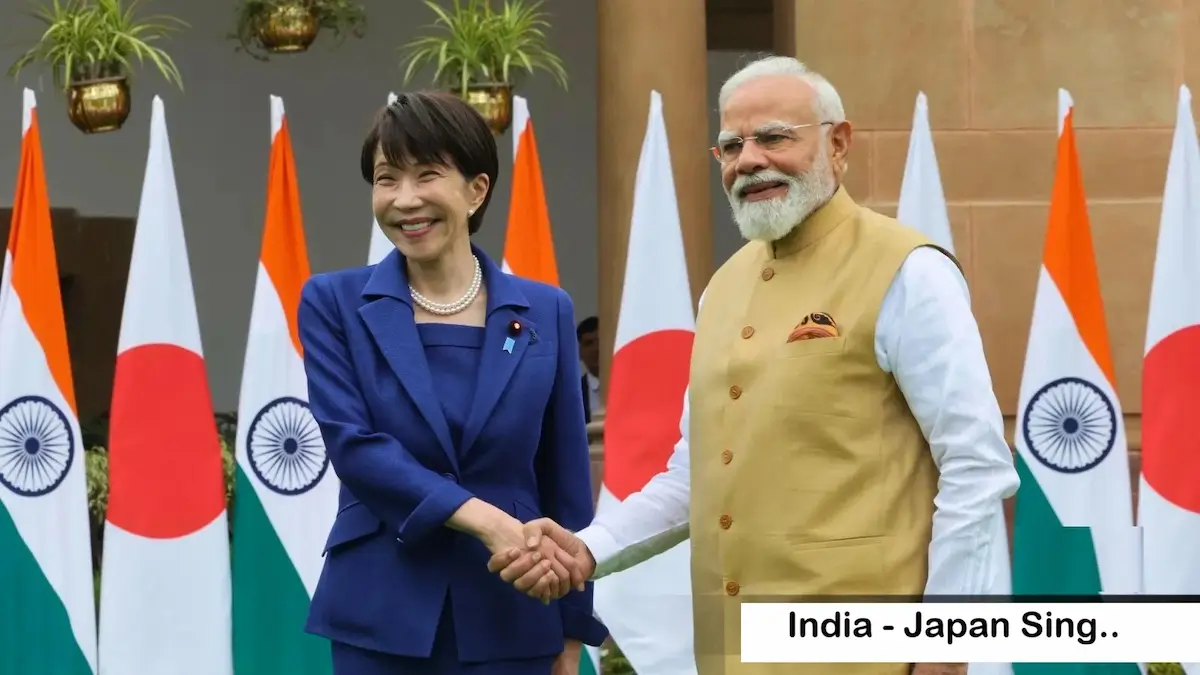
Indian Prime Minister Narendra Modi and Japanese Prime Minister Sanae Takaichi held the 16th India-Japan Annual Summit in New Delhi. They signed landmark agreements covering artificial intelligence (AI), strategic metals, and energy resilience. These pacts officially launch a new era of deep economic and technological security between the two nations.
India-Japan AI, Metals and Energy Pact: Key Highlights
- India and Japan signed multiple agreements on artificial intelligence, critical minerals and clean energy cooperation.
- The agreements were finalized following high-level talks between Prime Minister Narendra Modi and Japanese leader Sanae Takaichi.
- Both countries agreed to strengthen supply chains for rare earth minerals and strategic metals.
- Artificial Intelligence collaboration will focus on innovation, digital infrastructure and talent development.
- Energy cooperation will include clean energy, hydrogen technology and renewable investments.
- Experts believe the partnership could reduce dependence on China for critical resources.
- The agreements are expected to create jobs, attract investments and boost technological growth in both countries.
India-Japan AI, Metals and Energy Pact: What Happened
India and Japan have taken another major step in strengthening their strategic partnership by signing agreements on artificial intelligence, critical metals and energy cooperation following talks between Prime Minister Narendra Modi and Japanese political leader Sanae Takaichi.
The new agreements come at a time when countries around the world are attempting to secure supply chains, reduce geopolitical risks and invest heavily in emerging technologies such as Artificial Intelligence.
The discussions focused on increasing bilateral cooperation in sectors that are expected to shape the global economy over the next two decades.
The India-Japan partnership has traditionally been strong in infrastructure and manufacturing. However, the latest agreements signal a shift toward future technologies and strategic industries.
India-Japan AI, Metals and Energy Pact and the Background of the Discussions
India and Japan have enjoyed diplomatic relations for more than seven decades. The relationship has evolved from development assistance and infrastructure investments to security cooperation and technology partnerships.
Japan has been one of the largest investors in India and has played a key role in projects such as:
- Delhi Metro
- Mumbai-Ahmedabad Bullet Train Project
- Industrial corridors
- Smart city development
- Manufacturing initiatives
The latest India-Japan AI, Metals and Energy Pact represents the next phase of this partnership.
Global geopolitical tensions, semiconductor shortages and disruptions in mineral supplies have pushed countries to diversify their economic partnerships.
India-Japan AI, Metals and Energy Pact in Artificial Intelligence Cooperation
Artificial Intelligence was one of the central themes of the discussions.
The two countries agreed to cooperate in several AI-related sectors including:
- Healthcare AI applications
- Smart manufacturing
- Robotics and automation
- Cybersecurity solutions
- AI research and innovation
- Skill development and workforce training
India has emerged as one of the world’s fastest-growing AI markets, while Japan possesses advanced expertise in robotics and industrial automation.
Combining India’s software capabilities with Japan’s technological strengths could create significant opportunities for both economies.
Industry experts estimate that India’s AI market could exceed $17 billion by 2030.
India-Japan AI, Metals and Energy Pact and Critical Metals Cooperation
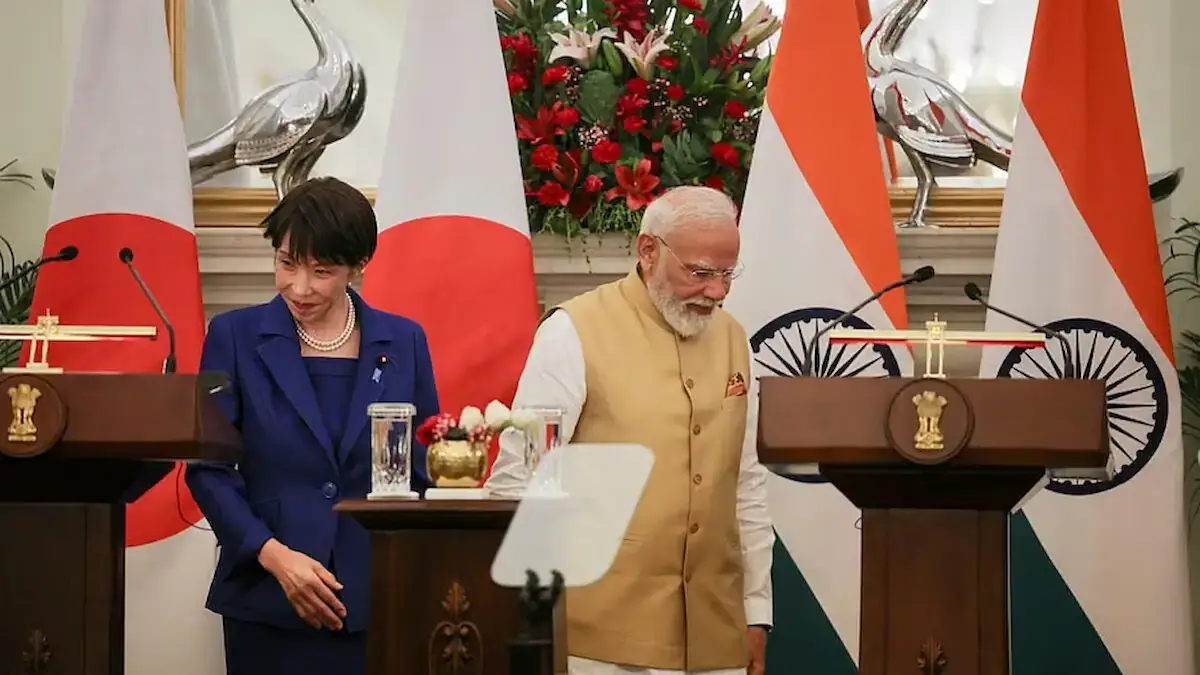
Critical minerals and rare earth metals have become central to modern economic and national security strategies.
These materials are essential for:
- Electric vehicle batteries
- Semiconductors
- Solar panels
- Wind turbines
- Defense equipment
- Consumer electronics
The India-Japan AI, Metals and Energy Pact aims to improve cooperation in securing supply chains for these resources.
China currently dominates global rare earth processing, accounting for nearly 70 percent of global production and over 85 percent of processing capacity according to several international estimates.
India and Japan want to reduce dependence on a single supplier and create more resilient supply networks.
India-Japan AI, Metals and Energy Pact and Energy Security Cooperation
Energy security was another major focus area.
The agreements are expected to cover cooperation in:
- Green hydrogen
- Renewable energy projects
- Solar technology
- Battery storage solutions
- LNG infrastructure
- Carbon reduction technologies
India aims to achieve 500 GW of non-fossil fuel electricity capacity by 2030.
Japan, meanwhile, is investing heavily in hydrogen technology and low-carbon energy systems.
The partnership could accelerate the energy transition in both countries.
India-Japan AI, Metals and Energy Pact: Official Statements
Indian officials described the agreements as an important milestone in bilateral relations.
According to statements released after the talks, both sides emphasized:
- Technology-driven growth
- Economic resilience
- Secure supply chains
- Sustainable development
- Innovation partnerships
Japanese representatives highlighted India’s growing role in global manufacturing and digital transformation.
Prime Minister Narendra Modi reiterated India’s commitment to becoming a trusted partner in advanced manufacturing and emerging technologies.
Japanese leaders emphasized that cooperation with India is essential for ensuring a stable and secure Indo-Pacific region.
India-Japan AI, Metals and Energy Pact: Bigger Picture
The agreements are not limited to economics alone.
They are also linked to broader geopolitical developments.
Several countries are attempting to reduce their dependence on concentrated supply chains for critical technologies and minerals.
The India-Japan AI, Metals and Energy Pact fits into wider efforts involving:
- Supply chain diversification
- Indo-Pacific security cooperation
- Semiconductor resilience
- Clean energy transition
- Strategic technology partnerships
Analysts believe these agreements strengthen the strategic position of both nations in Asia.
India-Japan AI, Metals and Energy Pact: How Will People Be Affected
The agreements could have direct and indirect benefits for ordinary citizens.
Job Creation
New investments in AI, manufacturing and clean energy could generate thousands of jobs.
Better Technology Access
Collaboration may lead to improved AI services in healthcare, education and public administration.
Lower Supply Risks
Diversified mineral supply chains can reduce disruptions in electronics and electric vehicle manufacturing.
Economic Growth
Increased Japanese investment could boost industrial growth in India.
Green Energy Benefits
Renewable energy projects may support lower emissions and cleaner energy access.
India-Japan AI, Metals and Energy Pact: What Experts Are Saying
Economic and strategic experts have largely welcomed the agreements.

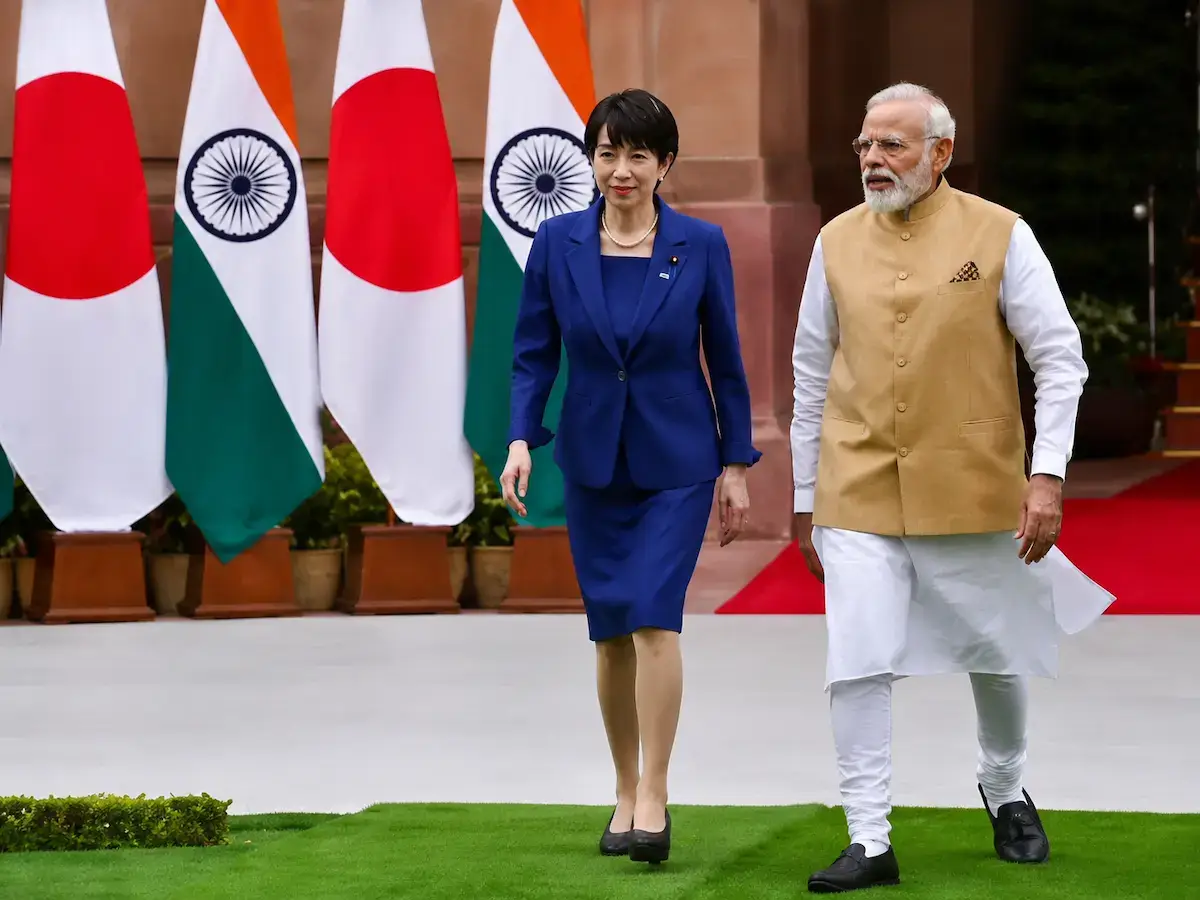
Many analysts believe India and Japan are natural partners because their strengths complement each other.
Technology experts argue that:
- India offers a large digital talent pool.
- Japan offers advanced industrial technology.
- Joint innovation can create globally competitive products.
Energy analysts say cooperation in hydrogen and battery technology could be particularly important during the next decade.
Geopolitical experts also view the agreements as part of efforts to create alternative supply chains outside China.
India-Japan AI, Metals and Energy Pact: Important Data and Facts
Several figures highlight the importance of the partnership:
- Japan is among India’s top foreign investors.
- Bilateral trade between India and Japan exceeded $20 billion in recent years.
- India aims for a $1 trillion digital economy by 2030.
- The global AI market could surpass $1.8 trillion by 2030 according to industry estimates.
- Global demand for critical minerals may increase fourfold by 2040 according to international energy studies.
- India plans to achieve net-zero emissions by 2070.
- Japan aims to achieve carbon neutrality by 2050.
These numbers explain why cooperation in AI, minerals and energy has become a strategic priority.
India-Japan AI, Metals and Energy Pact: What Happens Next
The signing of agreements is only the beginning.
The next phase is expected to include:
- Joint research programs
- Investment announcements
- Technology exchanges
- Private sector partnerships
- Manufacturing projects
- Policy coordination
Working groups from both countries are likely to monitor implementation and identify new areas for cooperation.
Several experts expect announcements related to semiconductors and advanced manufacturing in the coming months.
India-Japan AI, Metals and Energy Pact and Social Media Reactions
The agreements generated significant discussion across social media platforms.
Many users welcomed the move as a positive step toward technological independence and economic growth.
Common themes in online discussions included:
- Support for stronger India-Japan ties
- Interest in AI job opportunities
- Excitement over clean energy collaboration
- Discussions about reducing dependence on China
Business leaders and technology professionals also expressed optimism about future investments.
Some commentators, however, stressed the importance of ensuring that agreements are implemented effectively and deliver measurable results.
India-Japan AI, Metals and Energy Pact: Why It Matters Globally
The agreements are significant not only for India and Japan but also for the broader international economy.
As countries compete for leadership in AI and clean energy technologies, partnerships like these are becoming increasingly important.
The India-Japan AI, Metals and Energy Pact could serve as a model for future collaborations involving trusted technology partners.
It also reinforces the growing importance of the Indo-Pacific region in global economic and strategic affairs.
Conclusion:
The agreements signed after the Modi-Takaichi talks represent much more than routine diplomatic cooperation.
The India-Japan AI, Metals and Energy Pact combines technological innovation, energy security and strategic supply chains under one framework.
For India, the partnership offers opportunities for investment, employment and technological advancement.
For Japan, it provides access to one of the world’s fastest-growing economies and an increasingly important strategic partner.
If implemented successfully, these agreements could influence the future of artificial intelligence, clean energy and advanced manufacturing across the Indo-Pacific region for years to come.
FAQs:
1. What is the India-Japan AI, Metals and Energy Pact?
It is a set of agreements signed by India and Japan to strengthen cooperation in artificial intelligence, critical minerals and energy sectors.
2. Who participated in the India-Japan AI, Metals and Energy Pact discussions?
The agreements followed talks between Indian Prime Minister Narendra Modi and Japanese leader Sanae Takaichi.
3. Why are critical metals important in the India-Japan AI, Metals and Energy Pact?
Critical minerals are essential for electric vehicles, semiconductors, batteries and renewable energy technologies.
4. How will the India-Japan AI, Metals and Energy Pact benefit India?
The agreements could create jobs, attract investments and strengthen India’s technology and manufacturing sectors.
5. How does the India-Japan AI, Metals and Energy Pact affect global supply chains?
The partnership aims to diversify supply chains and reduce dependence on concentrated sources of critical minerals and advanced technologies.
Disclaimer:
This article is based on publicly available information, official statements, media reports, and expert analysis. Readers are advised to refer to official sources for the latest updates and accurate information regarding government policies and international agreements.


The XYZ Official Team is the editorial team behind XYZ News Live. The team covers education, government schemes, business, entertainment, sports, and breaking news. Its mission is to provide readers with accurate, reliable, and up-to-date information through well-researched content.
Website: https://xyznewslive.com