


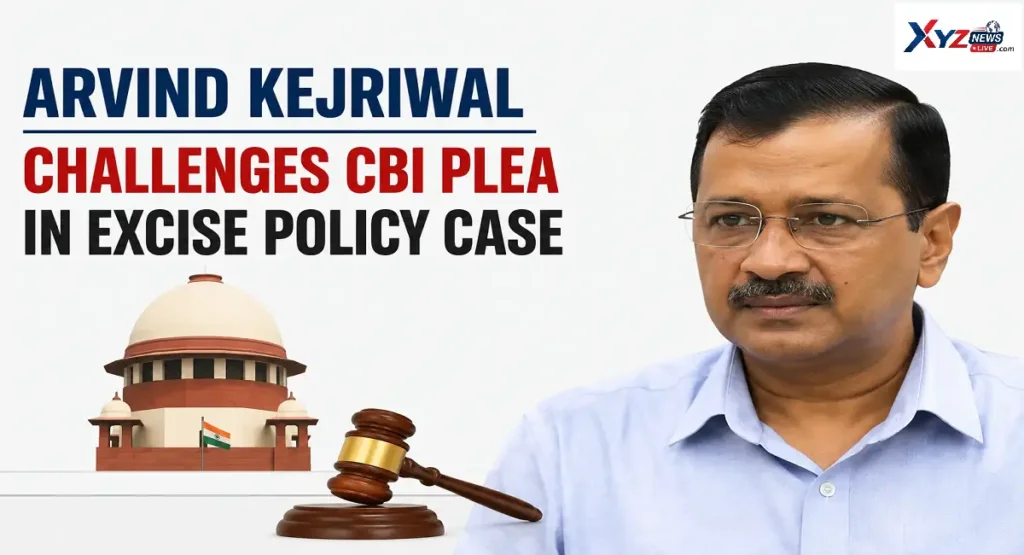
Arvind Kejriwal Takes on CBI Plea in Delhi High Court
The Delhi Excise Policy case has once again come into focus after Arvind Kejriwal and former Deputy Chief Minister Manish Sisodia challenged the Central Bureau of Investigation’s (CBI) plea against their discharge. The legal battle has moved to the Delhi High Court after a Rouse Avenue Court discharged all 23 accused in the CBI’s excise policy corruption case on February 27, 2026.
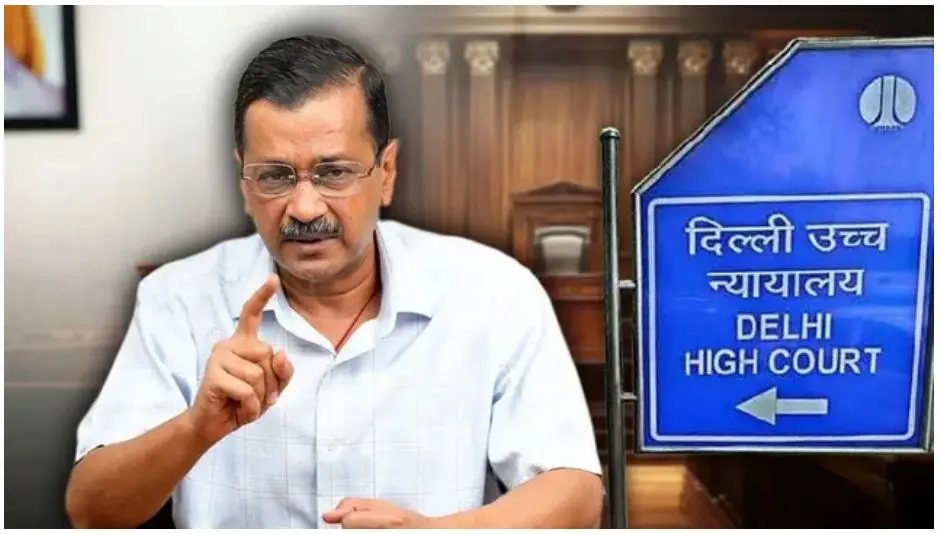

The latest development is significant because the CBI has challenged the lower court’s decision, arguing that several important aspects of its investigation and evidence were not properly considered. The High Court has already issued notices to Arvind Kejriwal, Manish Sisodia and former AAP MLA Durgesh Pathak in connection with the CBI challenge.
Key Highlights
- Arvind Kejriwal and Manish Sisodia have challenged the CBI’s plea against their discharge.
- A Delhi trial court discharged all 23 accused in the CBI excise policy case on February 27, 2026.
- The CBI subsequently approached the Delhi High Court against the discharge order.
- The High Court has issued notices to Kejriwal, Sisodia and other accused.
- The trial court had also ordered a departmental inquiry into the CBI investigating officer.
- The final outcome now depends on the Delhi High Court’s proceedings.
Why Did Arvind Kejriwal Approach the High Court?
According to the arguments reported from the proceedings, Arvind Kejriwal and Sisodia have questioned the CBI’s challenge to the trial court’s order. Their side has argued that the lower court delivered a detailed judgment and that the investigating agency moved against the order with unusual speed.
The controversy particularly surrounds the timing of the CBI’s move. Reports at the time said the agency approached the Delhi High Court within hours of the trial court’s decision. The defence has questioned whether the detailed judgment could have been properly examined before the challenge was filed.
However, the speed with which a petition is filed does not by itself determine its legal validity. The High Court will ultimately have to examine whether the CBI has demonstrated sufficient legal grounds to interfere with the discharge order.
What Did the Trial Court Say?
On February 27, the Rouse Avenue Court discharged all 23 accused in the CBI case, including Arvind Kejriwal, Manish Sisodia and BRS leader K Kavitha. The court found that the prosecution material did not provide a sufficient basis to frame charges against the accused.
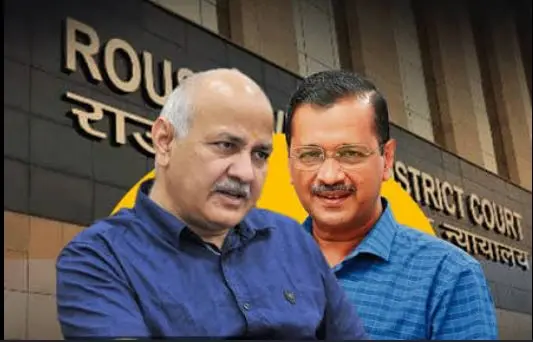

The court also criticised aspects of the CBI investigation and ordered a departmental inquiry against the investigating officer. This was an important part of the judgment because it raised questions about the manner in which the investigation had been conducted.
It is important to use the correct legal terminology here. The trial court discharged the accused; this is not the same as an acquittal after a full criminal trial. A discharge generally means that the court found insufficient grounds to proceed to the stage of framing charges.
Why Is the CBI Challenging the Order?
The CBI has maintained that the trial court did not properly appreciate the material collected during its investigation. The agency has argued that the lower court went too deeply into the evidence at the stage of deciding whether charges should be framed.
The CBI therefore wants the High Court to examine whether the trial court’s reasoning was legally sustainable. Its challenge could potentially reopen the question of whether proceedings against Arvind Kejriwal and the other accused should continue.
The agency had moved the Delhi High Court immediately after the February 27 order, challenging the discharge of all 23 accused.
What Has the Delhi High Court Done So Far?
The Delhi High Court has issued notices to Arvind Kejriwal, Manish Sisodia and other accused in response to the CBI’s challenge. In May 2026, the court considered the matter and directed that the accused be served with the necessary notices.
This means the legal battle is still active. The trial court’s discharge order has not simply ended the matter because the CBI’s challenge is pending before the High Court.
For Arvind Kejriwal, the case remains important both legally and politically. Any decision by the High Court could have implications for the former Delhi chief minister and other prominent AAP leaders who were named in the case.
Also Read: International Youth Day 2026: Why “Having Your Life Together” Is the New Status Symbol for Gen Z
What Is the Delhi Excise Policy Case?
The case relates to Delhi’s 2021-22 excise policy, which was later withdrawn amid allegations of irregularities and corruption. The CBI investigated alleged wrongdoing in the formulation and implementation of the policy.
Several senior political leaders and businesspersons were accused in the case. Arvind Kejriwal and Manish Sisodia became two of the most prominent names associated with the investigation.
The case has been closely watched because of its political significance and because multiple AAP leaders faced investigation and arrest in connection with different proceedings linked to the excise policy matter.
What Happens Next?
The next major step will depend on how the Delhi High Court assesses the CBI’s challenge and the defence arguments. The court will examine whether the trial court correctly applied the legal standard for discharge and whether the prosecution material justified further proceedings.

For now, Arvind Kejriwal remains discharged by the trial court in the CBI case, while the CBI’s challenge remains pending before the High Court. It would therefore be premature to describe the matter as finally concluded.
Conclusion
The legal battle involving Arvind Kejriwal and the CBI over the Delhi Excise Policy case is far from over. While the Rouse Avenue Court discharged all 23 accused, the CBI’s subsequent challenge has brought the matter before the Delhi High Court. The central question now is whether the lower court’s decision should stand or whether the prosecution has sufficient grounds for further proceedings.
Disclaimer
This article is based on publicly available court reports and media coverage. Legal proceedings can change as courts issue new orders. Readers should verify important legal information through official court records and reliable sources.
FAQs
- Why is Arvind Kejriwal challenging the CBI plea?
He and Manish Sisodia are opposing the CBI’s challenge to their discharge. - What did the trial court decide?
The court discharged all 23 accused on February 27, 2026. - Has Arvind Kejriwal been acquitted?
No. The court ordered a discharge, which is different from acquittal after a full trial. - Why did the CBI approach the High Court?
The CBI argued that the trial court did not properly consider key evidence. - What happens next?
The Delhi High Court will hear the CBI’s plea and the accused’s responses.
Apple Pay India Launch: October 2026 Entry Expected, Major Update on UPI Support


All news published on XYZ News Live is created, edited, and reviewed by our editorial team. Our goal is to provide readers with accurate, simple, and reliable information.
Website: https://xyznewslive.com