
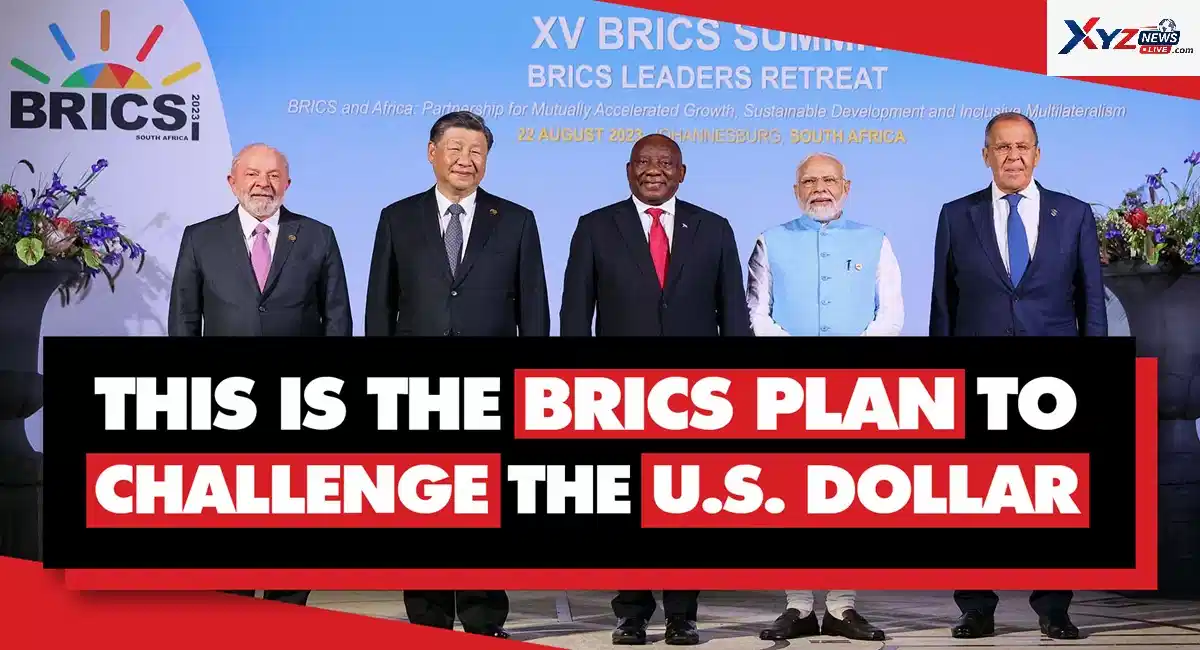
BRICS vs US Dollar: Can BRICS End Dollar Dominance? Understand International Law and India’s Role
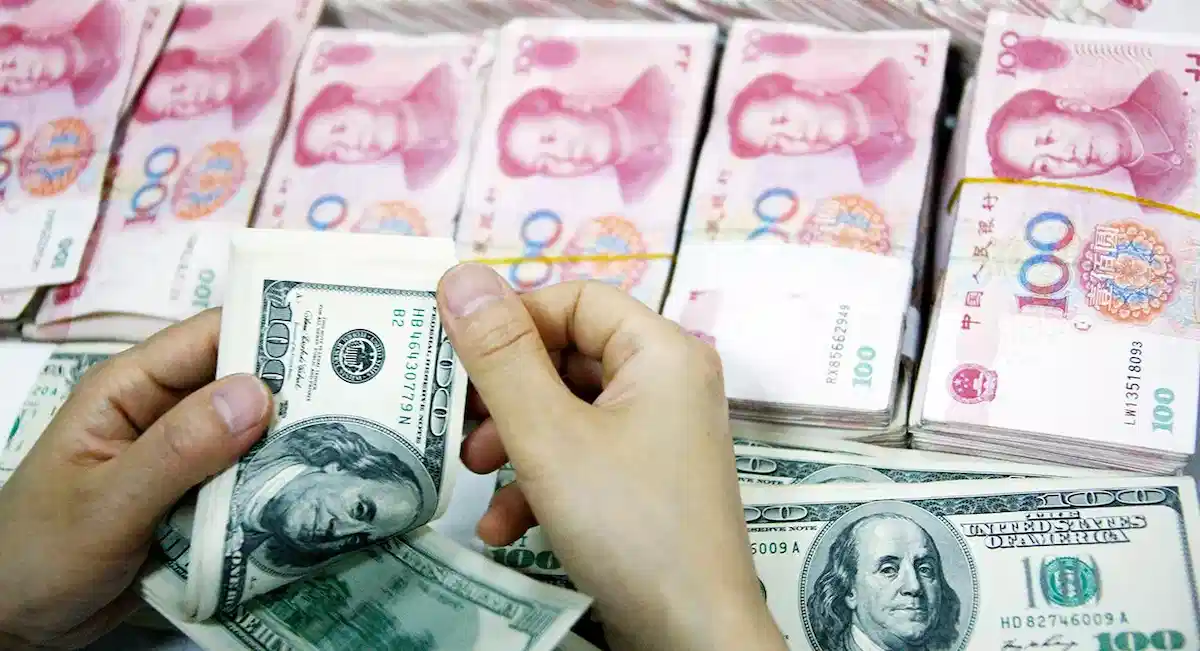
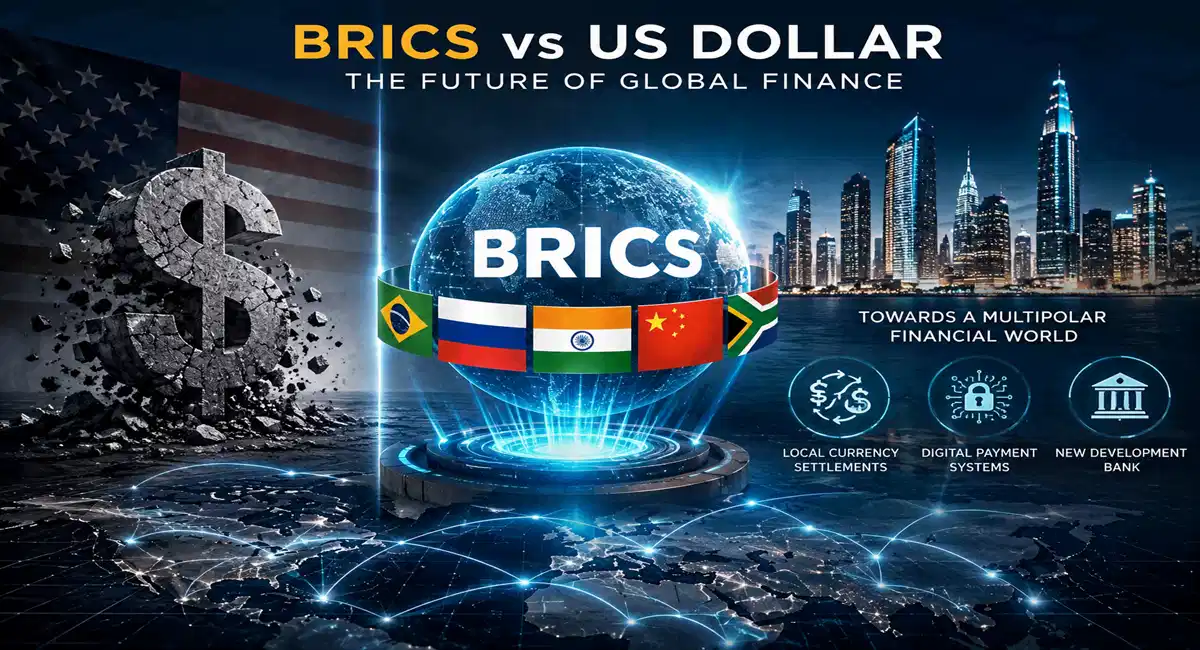
The debate over BRICS vs US Dollar has gained fresh momentum as emerging economies look for ways to reduce dependence on the American currency in international trade and payments. The discussion is no longer limited to the idea of creating a common BRICS currency. Instead, BRICS countries are increasingly exploring local-currency settlements, alternative payment systems, central bank digital currencies (CBDCs), and financial institutions that could reduce their exposure to the dollar-dominated system.
In August 2026, the issue has become particularly relevant for India because the country is holding the BRICS chairship. India has been promoting cooperation in payments, financial technology and the international use of national currencies. Recent discussions among BRICS countries have included linking fast-payment systems and CBDCs, with RBI Governor Sanjay Malhotra highlighting the potential of such cooperation to make cross-border payments easier and cheaper.
Key Highlights:
- BRICS vs US Dollar is increasingly about reducing dependence rather than immediately replacing the dollar.
- BRICS countries are exploring local-currency trade and alternative payment infrastructure.
- India is playing an important role through its focus on payment technology and the internationalisation of the rupee.
- BRICS discussions now include linking fast-payment systems and CBDCs.
- International law does not give BRICS a simple mechanism to remove the dollar from global trade.
- The U.S. dollar remains deeply embedded in global financial markets, making a sudden replacement difficult.
- A multipolar payment system could emerge gradually instead of one currency completely replacing another.
Why Is BRICS Challenging Dollar Dominance?
The BRICS vs US Dollar debate is linked to a broader effort known as de-dollarisation. BRICS members have sought to increase the use of their own currencies in bilateral trade and reduce exposure to financial systems that depend heavily on the U.S. dollar.
The objective does not necessarily mean that BRICS wants to eliminate the dollar. Instead, the focus is increasingly on giving countries more options for settling trade, financing infrastructure and conducting cross-border transactions.
Academic research has described BRICS’ de-dollarisation efforts as involving local currencies, currency-swap arrangements, reserve diversification, alternative payment infrastructure and multilateral development lending.
This distinction is important. Replacing the dollar entirely would require enormous changes in global trade, banking, investment and central-bank reserve management. Reducing dependence on the dollar, however, can happen incrementally.
Can BRICS Create an Alternative to the BRICS vs US Dollar?
One of the biggest questions surrounding BRICS vs US Dollar is whether the group can create a common currency or financial system capable of competing with the dollar.
For now, the more practical path appears to be improving payment connectivity and increasing local-currency transactions rather than immediately launching a single BRICS currency.
In August 2026, BRICS countries were discussing the possibility of linking their fast-payment systems and CBDCs. Such integration could make it easier for businesses and individuals to conduct cross-border transactions without relying on traditional dollar-based payment channels.
The New Development Bank, established by BRICS, is another important part of this strategy. The institution has increasingly explored financing in member countries’ national currencies. A planned Indian rupee-denominated bond was also part of efforts to strengthen local-currency financing.
What Is India’s Role in BRICS vs US Dollar?
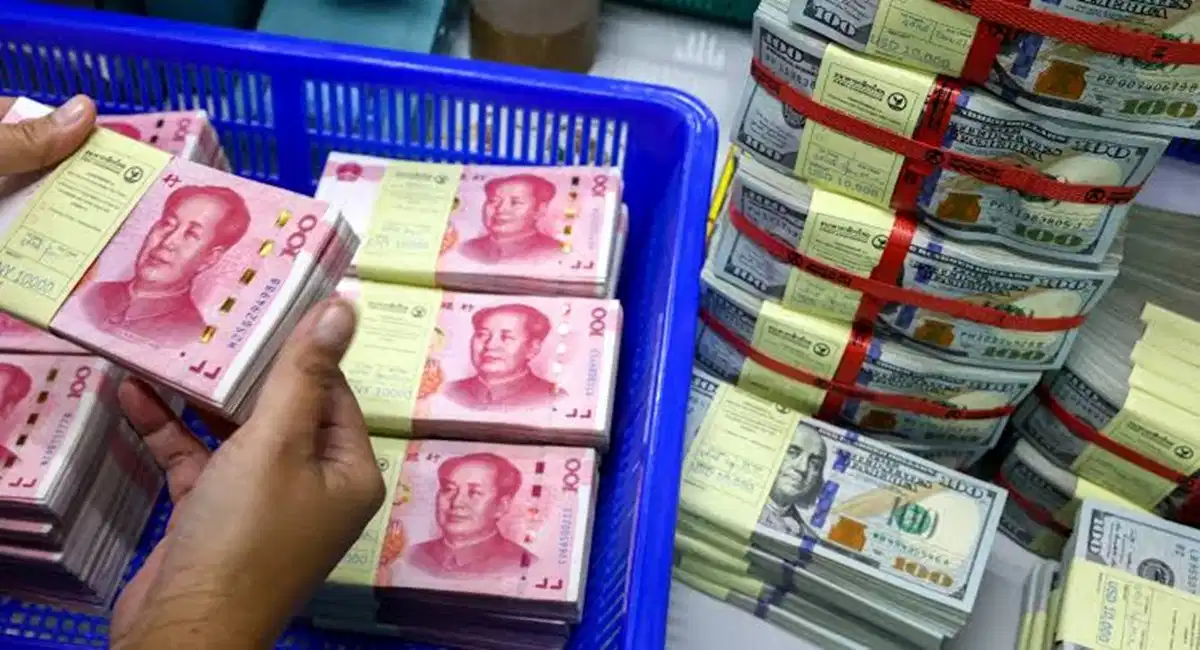
India occupies a particularly interesting position in the BRICS vs US Dollar debate.
New Delhi has historically supported greater use of national currencies in international trade while maintaining strong economic relationships with the United States and other Western economies. This means India’s approach is more about diversification than an outright campaign against the dollar.
The Reserve Bank of India has been working on the internationalisation of the Indian rupee. At the same time, India’s digital payment infrastructure, particularly its fast-payment ecosystem, provides a potential technological foundation for cross-border payment cooperation.
The current BRICS discussions on payment-system connectivity therefore offer India an opportunity to showcase its financial technology capabilities while encouraging greater use of the rupee.
India’s 2026 BRICS chairship also gives New Delhi greater influence over the group’s economic and financial agenda. The Ministry of External Affairs has said India’s 2026 chairship is built around the theme of resilience, innovation, cooperation and sustainability.
What Does International Law Say?
The legal aspect of BRICS vs US Dollar is more complicated than simply asking whether BRICS can replace the dollar.
There is no general rule of international law that gives the United States permanent ownership over global trade or prevents other countries from conducting transactions in their own currencies. Sovereign states generally have considerable freedom to decide which currencies they use for bilateral trade, subject to their international obligations and domestic laws.
However, the global financial system is supported by a complex network of treaties, institutions, contracts, banking regulations and payment arrangements. The dollar’s influence is therefore not based on one single international-law provision.
Research published in the Journal of International Economic Law argues that dollar dominance is supported by legal norms, institutional arrangements and financial practices developed around the international monetary system.
This means BRICS cannot simply pass a resolution declaring the dollar irrelevant. A genuine shift would require businesses, banks, investors and governments to voluntarily adopt alternative currencies and payment systems on a large scale.
Why Is Replacing the Dollar So Difficult?
The biggest challenge for BRICS vs US Dollar is the dollar’s existing network effect.
The dollar is deeply integrated into global trade, financial markets, banking and investment. Companies often prefer currencies that are liquid, widely accepted and easy to convert. The U.S. financial market also provides enormous depth and liquidity.
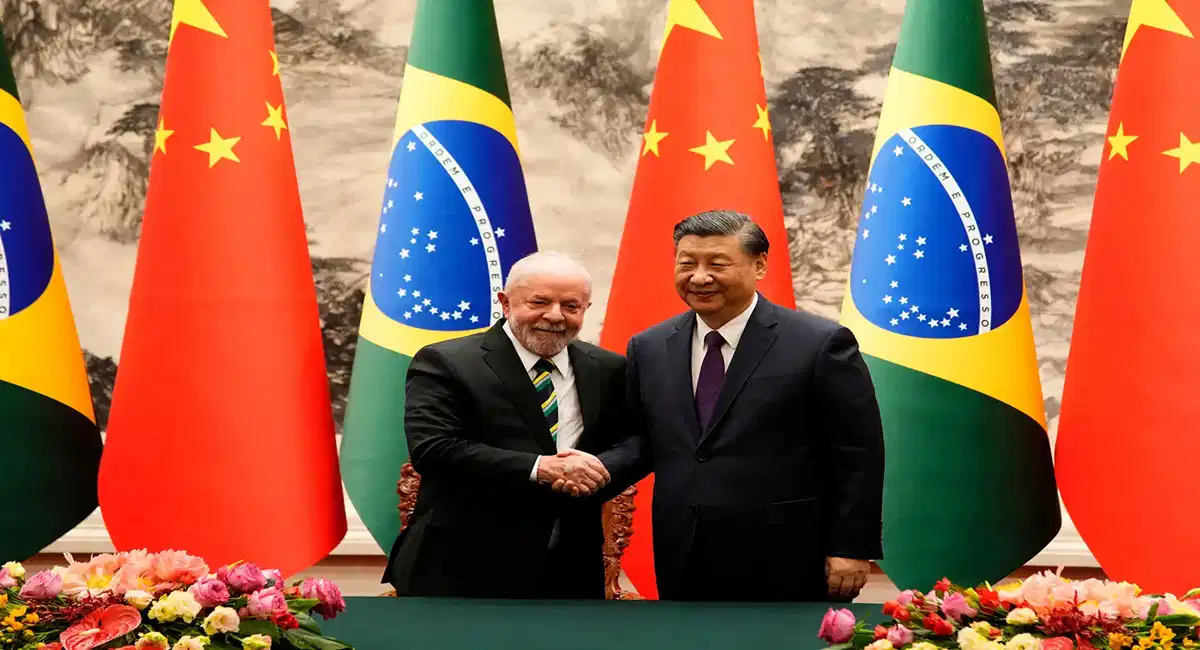
BRICS countries themselves have different economic structures, monetary policies and geopolitical priorities. India, China, Russia, Brazil and other members may agree on reducing dependence on the dollar while having different views about what should replace it.
This makes a single BRICS currency particularly difficult.
Could a Multipolar Financial System Emerge?
The more realistic outcome of BRICS vs US Dollar may be a more multipolar financial system rather than the complete collapse of dollar dominance.
In such a system, the dollar could remain the world’s most important currency while the euro, yuan, rupee and other currencies gain greater roles in regional and bilateral trade.
Recent developments support this gradual interpretation. BRICS is examining payment connectivity, local-currency settlements and digital financial infrastructure rather than relying solely on the idea of a single replacement currency. Economist Jim O’Neill, who coined the BRIC term, has also said that financial alternatives to the dollar are becoming increasingly realistic, although the dollar remains dominant.
What Does the Future Hold BRICS vs US Dollar?
The BRICS vs US Dollar contest is unlikely to produce an overnight winner. Instead, the coming years could see a gradual diversification of international payments.
For India, the opportunity is significant. If the rupee becomes more widely accepted in international transactions and Indian payment technology becomes more connected with other countries, New Delhi could strengthen its financial influence without abandoning the dollar-based global economy.
The key question is therefore not simply whether BRICS can “end” dollar dominance. A more realistic question is whether BRICS can create enough alternatives to make the global financial system less dependent on a single currency.
At present, the evidence points toward diversification rather than replacement. BRICS is building financial and payment alternatives, but the U.S. dollar’s established role means that any major change is likely to be gradual.
Conclusion
The BRICS vs US Dollar debate represents a larger shift toward a potentially more multipolar global economy. BRICS countries are experimenting with local currencies, alternative payment mechanisms, CBDCs and development-bank financing.
India’s role is especially important because of its BRICS chairship, growing digital-payment capabilities and efforts to internationalise the rupee. However, replacing the dollar completely would require much deeper changes in global finance.
For now, the strongest possibility is not the sudden end of dollar dominance but the gradual expansion of alternatives alongside the dollar.
FAQs:
1. Can BRICS end US Dollar dominance?
BRICS could gradually reduce dependence on the US dollar, but completely ending dollar dominance in the near term appears unlikely. BRICS countries are exploring local-currency settlements, linked payment systems and CBDC cooperation rather than immediately replacing the dollar with a single BRICS currency.
2. Is BRICS vs US Dollar planning a new common currency?
There is ongoing discussion around alternatives to dollar-based transactions, but a common BRICS currency has not been established. Current efforts are more focused on local currencies and improving cross-border payment mechanisms.
3. What is India’s role in BRICS vs US Dollar
India is pushing for greater use of the Indian rupee in international trade and payments while also supporting more efficient cross-border payment systems. RBI Governor Sanjay Malhotra said BRICS nations are discussing the possible linking of fast-payment systems and CBDCs.
4. How can BRICS vs US Dollar reduce dependence on the US dollar?
BRICS can reduce dollar dependence by:
- Increasing trade in local currencies
- Connecting national payment systems
- Exploring CBDC-based cross-border payments
- Strengthening institutions such as the New Development Bank
- Expanding financial cooperation among member countries
These measures could make some international transactions less dependent on dollar-based infrastructure.
5. What does international law say about replacing the BRICS vs US Dollar?
International law does not require countries to use the US dollar for international trade. States generally have considerable freedom to determine the currencies and payment arrangements used in their bilateral trade, subject to applicable treaties, sanctions regimes and other international obligations.
Disclaimer:
This article is intended for informational and educational purposes only. The information about BRICS, the US dollar, international law, and India’s role is based on publicly available reports and analysis and may change as policies and global developments evolve. It should not be considered financial, legal, investment, or political advice. Readers are advised to verify the latest information from official and reliable sources before making any decisions.








Apple Pay India Launch: October 2026 Entry Expected, Major Update on UPI Support

All news published on XYZ News Live is created, edited, and reviewed by our editorial team. Our goal is to provide readers with accurate, simple, and reliable information.
Website: https://xyznewslive.com