

Tehseen Poonawalla Claims House Arrest Ahead of E20 Protest
Activist Tehseen Poonawalla has once again found himself at the centre of a political controversy after claiming that he was placed under house arrest by the Delhi Police before launching a protest against the government’s E20 petrol policy. The activist had announced a protest march to Gandhi Smriti along with a hunger strike, accusing the government of promoting ethanol-blended fuel without adequately addressing public concerns.
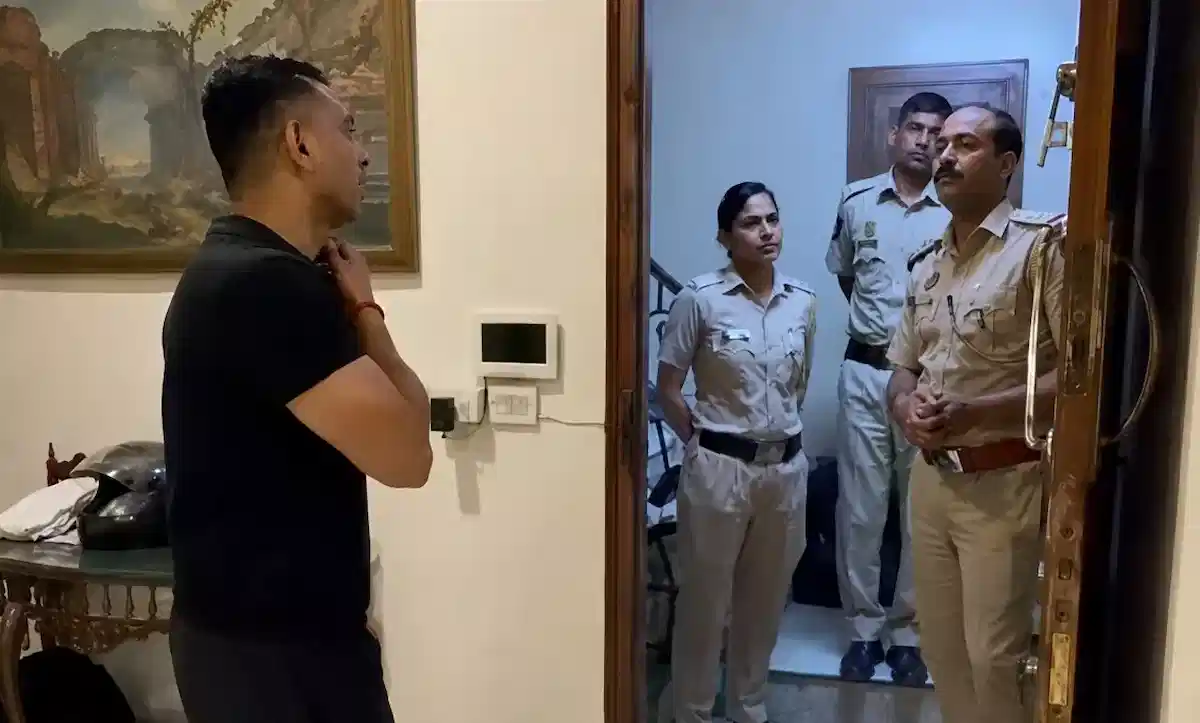
The incident quickly gained attention on social media after Tehseen Poonawalla shared videos and photographs from outside his residence, showing several police personnel stationed near his home. According to him, he was prevented from leaving his residence despite not receiving any written detention order.
The Delhi Police, however, maintained that preventive deployment was made due to concerns over possible law and order issues arising from the announced protest.
Key Highlights
- Tehseen Poonawalla claimed Delhi Police placed him under house arrest.
- The activist had planned a march to Gandhi Smriti and a hunger strike.
- Delhi Police cited possible law and order concerns.
- The protest focused on opposition to India’s E20 petrol policy.
- Union Minister Nitin Gadkari continues to support ethanol blending.
- The controversy has sparked debate over preventive policing and protest rights.
Why Was Tehseen Poonawalla Planning the Protest?
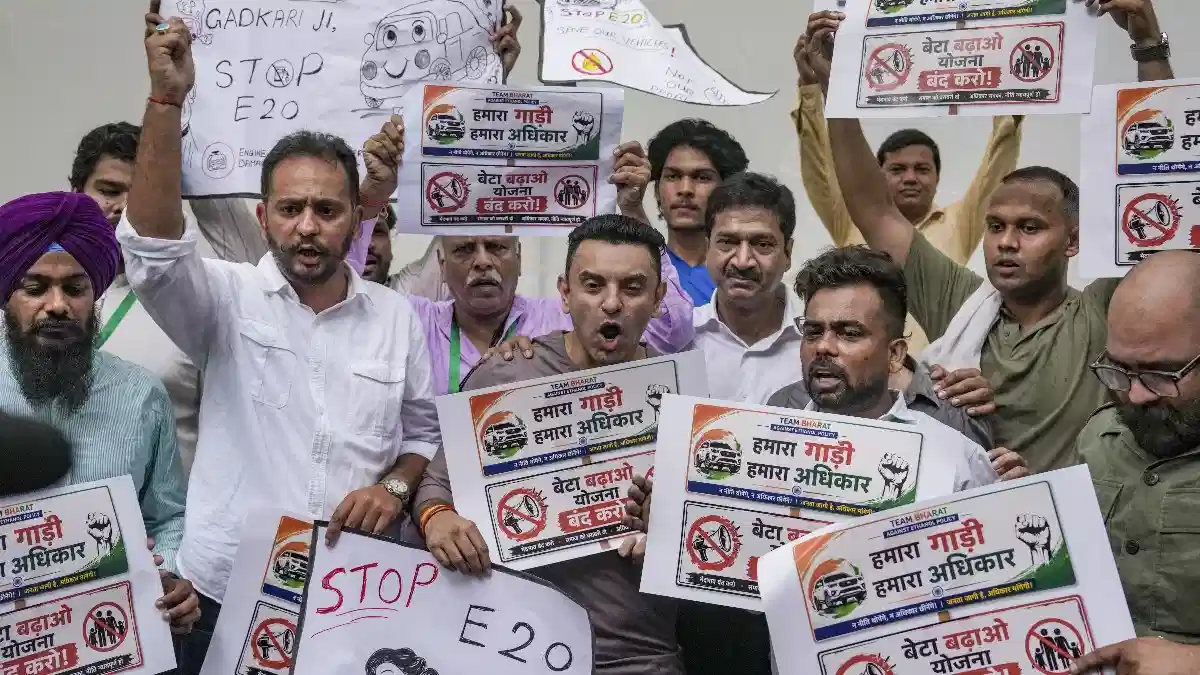
According to Tehseen Poonawalla, the protest was aimed at raising awareness about the government’s E20 petrol policy, which promotes the use of petrol blended with 20 percent ethanol.
Poonawalla has repeatedly criticised the policy, alleging that it could increase maintenance costs for vehicle owners and create additional financial burdens. He has also accused Union Road Transport and Highways Minister Nitin Gadkari of aggressively promoting ethanol without sufficiently addressing concerns raised by consumers and automobile experts.
His protest plan included:
- A march to Gandhi Smriti
- A symbolic hunger strike
- A public campaign demanding greater transparency regarding E20 fuel
Tehseen Poonawalla Shares Videos from His Residence
On Saturday morning, Tehseen Poonawalla uploaded several videos on social media showing police officials stationed outside his residence.
In one of the videos, he questioned police personnel regarding the legal basis for preventing him from leaving his home.
According to Poonawalla, he was neither shown any detention order nor informed about any legal proceedings against him.
He alleged that the police action amounted to an unofficial house arrest intended to stop his protest before it even began.
Delhi Police Respond to Tehseen Poonawalla’s Allegations
Delhi Police offered a different explanation regarding the incident.
According to officers seen in the videos, the preventive deployment was made because Tehseen Poonawalla had publicly announced his protest in advance, raising concerns that large crowds could gather unexpectedly.
Police officials reportedly told him that the demonstration might create a law and order situation if supporters assembled in significant numbers.
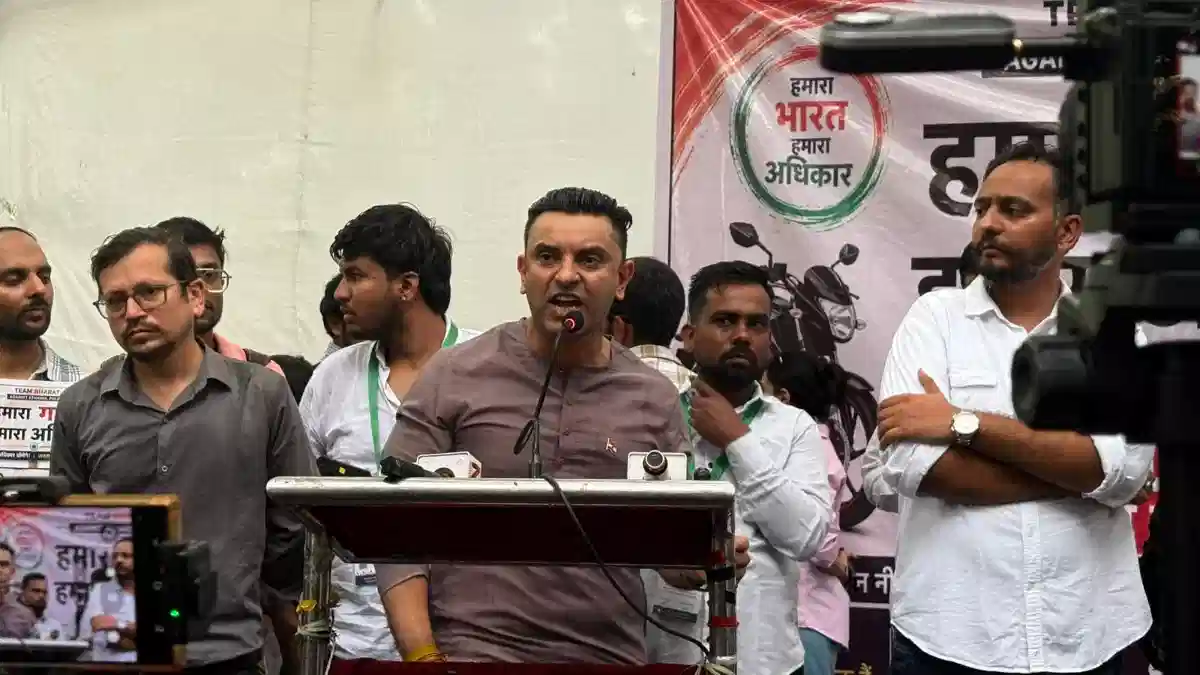
Authorities maintained that preventive measures were taken solely to ensure public safety and maintain order.
As of now, Delhi Police has not officially described the action as a “house arrest.”
What Is the Government’s E20 Fuel Policy?
The E20 fuel policy aims to increase ethanol blending in petrol to 20 percent as part of India’s broader strategy to reduce crude oil imports, improve energy security, and cut carbon emissions.
Major objectives include:
- Reducing dependence on imported crude oil
- Lowering greenhouse gas emissions
- Supporting India’s biofuel industry
- Increasing income opportunities for farmers producing ethanol feedstock
- Promoting cleaner transportation
The government considers ethanol blending a significant step toward sustainable mobility and reduced fossil fuel consumption.
Why Has the E20 Policy Sparked Debate?
Although the policy has been welcomed by many experts, it has also generated debate among consumers and automobile owners.
Some concerns include:
Vehicle Compatibility
Not every vehicle currently on Indian roads is fully compatible with E20 fuel. Older vehicles may require modifications or experience reduced efficiency.
Maintenance Costs
Critics argue that prolonged use of higher ethanol blends may increase maintenance expenses for certain engines.
Fuel Efficiency
Some experts believe ethanol-blended petrol may deliver slightly lower mileage due to ethanol’s lower energy content compared to conventional petrol.
Consumer Awareness
Many motorists remain uncertain about whether their vehicles support E20 fuel, creating confusion in the market.
Nitin Gadkari’s Stand on Ethanol-Blended Fuel
Union Minister Nitin Gadkari has consistently advocated for ethanol-blended fuel as part of India’s transition toward cleaner and more affordable energy solutions.
According to the government, ethanol blending offers multiple long-term benefits:
- Reduced pollution
- Lower fuel import bills
- Better returns for farmers
- Increased energy independence
The government has repeatedly stated that automobile manufacturers are introducing E20-compatible vehicles to support the transition.
Social Media Reacts to Tehseen Poonawalla’s Claims
Following the videos posted by Tehseen Poonawalla, social media platforms witnessed intense debate.
Supporters questioned whether preventive police action was justified before a peaceful protest.
Others argued that authorities often deploy preventive measures when demonstrations are expected to attract large crowds and potentially disrupt public order.
Political observers noted that differing interpretations of preventive policing continue to generate public discussion.
Legal Questions Raised by the Incident
The incident has also raised legal questions regarding preventive policing and restrictions on public protests.
Legal experts generally note that:
- Police may impose preventive measures under certain legal provisions to avoid anticipated disturbances.
- Authorities are expected to act within constitutional and legal limits.
- Any restriction on movement should follow due process.
- Courts may examine such actions if challenged.
Whether the measures taken in this case meet legal standards would depend on the specific facts and applicable laws.
Political Significance of the Controversy
The controversy has expanded beyond the E20 fuel debate.
It has triggered discussions about:
- Freedom of peaceful protest
- Preventive policing
- Government accountability
- Public consultation on major policy decisions
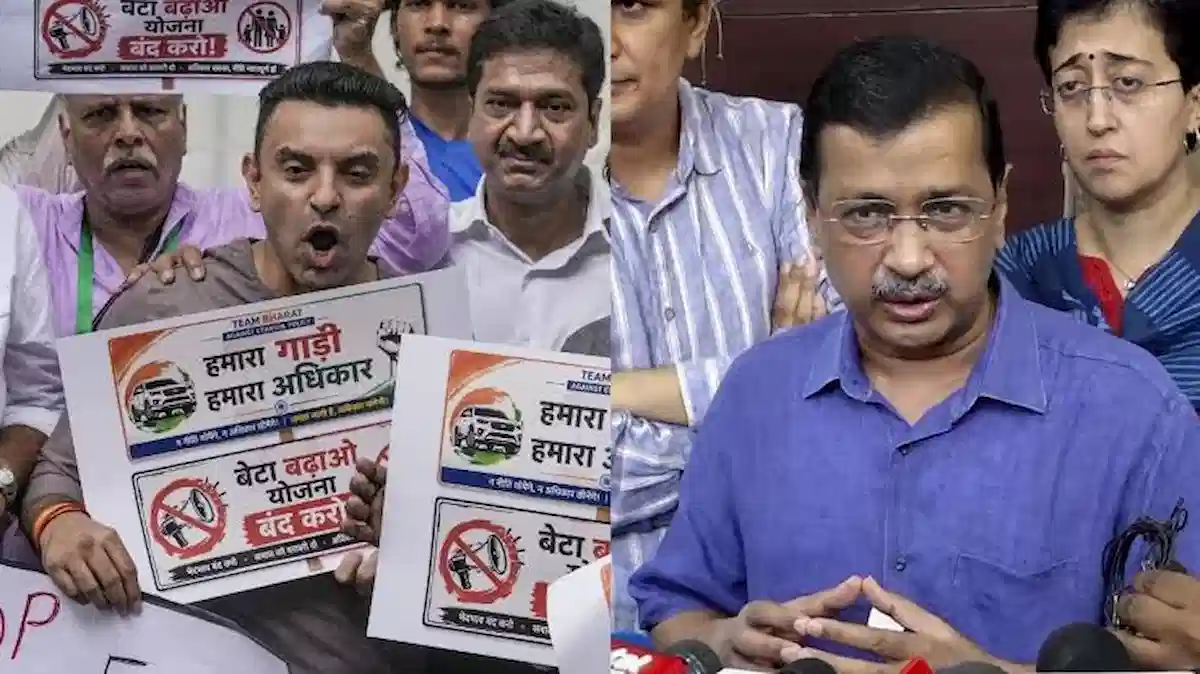
- Citizens’ rights during demonstrations
The issue may continue attracting political attention if further statements are issued by either Tehseen Poonawalla or the Delhi Police.
What Happens Next?
As of now:
- Tehseen Poonawalla continues to oppose the E20 policy.
- Delhi Police maintains that preventive deployment was aimed at avoiding law and order issues.
- No official confirmation has established that a formal house arrest order was issued.
- Further developments may emerge if legal proceedings or official statements follow.
Conclusion:
The controversy involving Tehseen Poonawalla and the E20 fuel policy has once again brought public attention to the balance between the right to protest and the responsibility of authorities to maintain public order. While Poonawalla alleges that he was prevented from exercising his democratic right to protest, the Delhi Police maintains that its actions were purely preventive. As discussions around ethanol-blended fuel continue, the incident highlights the broader debate surrounding public policy, transparency, and civil liberties in India.
FAQs-
Q1. Why did Tehseen Poonawalla plan the protest?
He planned the protest to oppose the government’s E20 petrol policy and raise concerns about ethanol-blended fuel.
Q2. Did Delhi Police officially confirm placing Tehseen Poonawalla under house arrest?
No. Delhi Police cited preventive action due to possible law and order concerns and has not officially confirmed a formal house arrest.
Q3. What is E20 fuel?
E20 fuel is petrol blended with 20% ethanol and 80% petrol.
Q4. Why is the E20 policy controversial?
Critics have raised concerns about vehicle compatibility, maintenance costs, fuel efficiency, and consumer awareness.
Q5. What is the government’s objective behind E20 fuel?
The policy aims to reduce crude oil imports, lower emissions, improve energy security, and support India’s biofuel sector.
Disclaimer:
This article is based on publicly reported information and statements available at the time of publication. Claims made by individuals have been attributed accordingly. Readers should refer to official statements from the concerned authorities for the latest updates.








All news published on XYZ News Live is created, edited, and reviewed by our editorial team. Our goal is to provide readers with accurate, simple, and reliable information.
Website: https://xyznewslive.com